
Aeration & Overseeding
When Is the Best Time to Aerate a Lawn in Pennsylvania?
Quick Answer
For many cool-season lawns in Pennsylvania, late summer into fall is often a favorable time for core aeration because turf is entering a period of active growth and recovery. Exact timing depends on weather, soil conditions and the lawn being treated.
Timing Logic
Why Late Summer and Fall Are Commonly Used
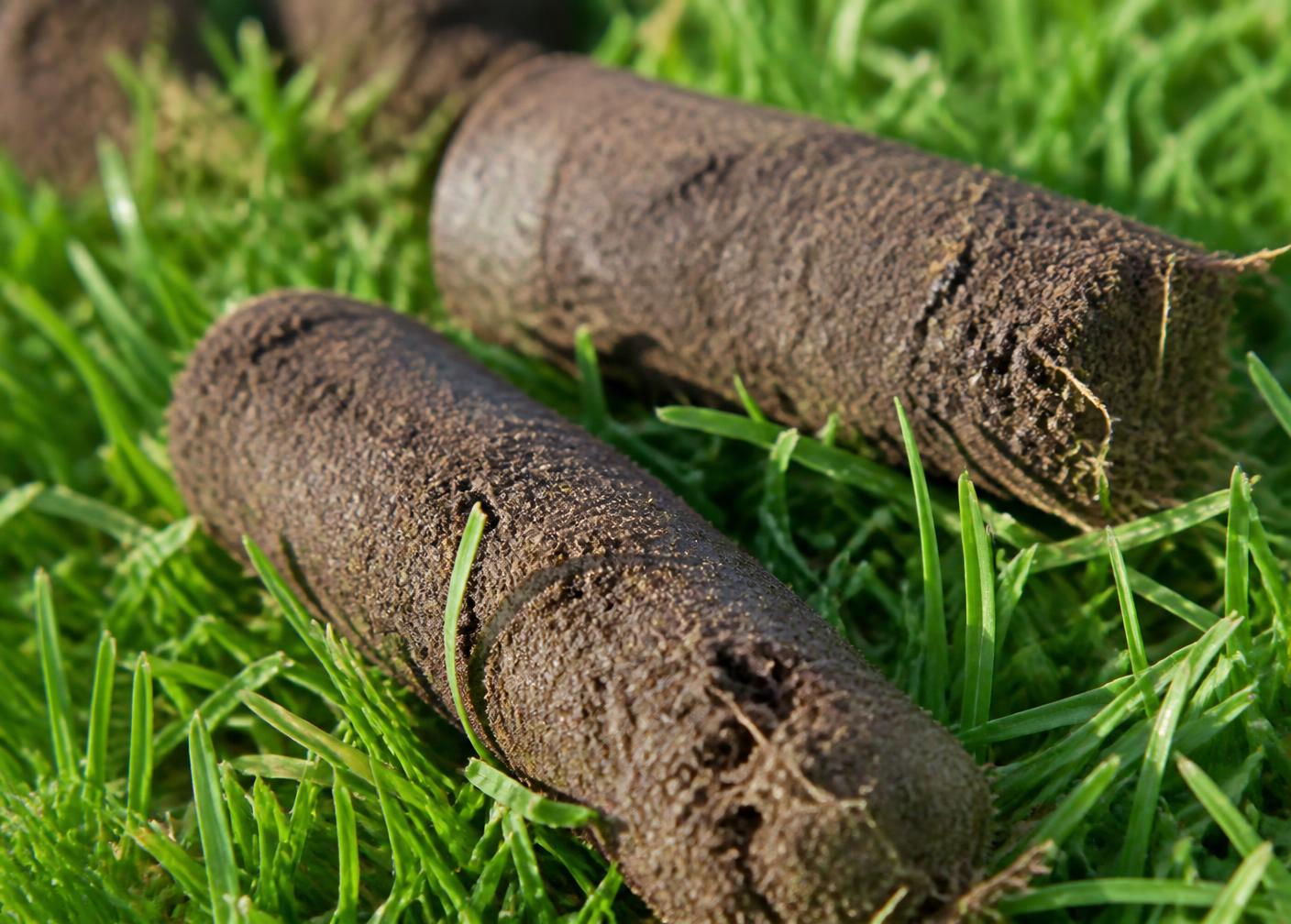
Core aeration is a controlled disturbance: a machine pulls plugs of soil out of the lawn, leaving open channels. The lawn benefits when it can grow into and around those channels afterward, which is why the timing question is really about recovery capacity.
Cool-season turf in Pennsylvania recovers best when temperatures moderate and moisture improves — conditions typical of late summer into fall. Soil remains warm enough to support root activity, and the turf is actively growing rather than defending itself against heat.
The Spring Question
Can You Aerate in Spring?
Yes — and for a severely compacted lawn, waiting six months is not always the right call. Spring aeration can improve water infiltration and rooting during the first growth flush of the year.
The considerations are real, though. Opening soil in spring coincides with the period when crabgrass and other annual weeds germinate, and aeration can disrupt a pre-emergent barrier that has already been applied. If both are planned, sequencing matters — see the crabgrass preventer timing guide.
What to Avoid
Should You Aerate in Summer?
Generally not. Turf that is heat-stressed, dormant or short on moisture has little capacity to recover from mechanical disturbance, and open soil dries quickly in summer conditions. Aeration during that window can leave a lawn looking worse for longer.
Assessment
How Do You Know If Your Lawn Needs Aeration?
- A screwdriver or soil probe meets strong resistance in moist soil.
- Water pools on the surface or runs off instead of soaking in.
- Roots appear shallow and matted when a small wedge of turf is lifted.
- Thinning follows walking routes, gates, play areas and pet paths.
- The lawn declines quickly in summer despite reasonable care.
None of these is conclusive alone. Together they build a case worth acting on. Our compacted soil guide covers the checks in more detail.
Frequency
How Often Should You Aerate?
Compaction rebuilds with normal use, so aeration is generally treated as recurring maintenance rather than a one-time correction. Lawns with heavier traffic, fine-textured soils or persistent density problems benefit from a more regular interval; lightly used lawns on well-structured soil need it less.
Pairing
Should You Overseed After Aeration?
If the lawn is thin, yes — aeration creates conditions that favor establishment. If the lawn is already dense and the goal is purely to relieve compaction, aeration alone can be appropriate.
Timing, seed selection and watering during establishment all shape the outcome. The overseeding guide covers those details.
Aeration Questions
Lawn Aeration Timing FAQs
Spring versus fall, frequency and what aeration actually accomplishes.
Get My Free Lawn QuoteCan you aerate in spring?
Spring aeration is done, and it can help badly compacted lawns. The trade-off is that soil disturbance in spring opens ground during the period when annual weed seed such as crabgrass is germinating, and it can conflict with pre-emergent programs.
Is fall really better?
For many cool-season lawns, yes. Turf is actively growing and recovering, soil is still warm enough for root activity, and the same visit pairs naturally with overseeding.
Should you aerate in summer?
Aerating heat-stressed or dormant turf is generally avoided. The lawn has limited capacity to recover from the disturbance during that period.
How often should you aerate?
It depends on soil type and use. Lawns with heavy traffic, fine-textured soils or ongoing density problems are aerated more often than lightly used lawns on well-structured soil.
Should you overseed after aeration?
Overseeding after core aeration is common, because the holes and disturbed surface improve seed-to-soil contact. It is not mandatory — an established, dense lawn may only need the aeration.
Do I need to remove the cores?
Cores are usually left to break down on the surface over the following weeks, returning soil and organic matter to the lawn. Mowing and rainfall speed that along.
Is spike aeration the same thing?
No. Spike devices push soil aside rather than removing it, which can compress soil around the hole. Core aeration removes plugs, which is why it is generally preferred for relieving compaction.
Sources & References
- Penn State Extension — Lawn and Turfgrass resources for Pennsylvania homeowners (extension.psu.edu).
- Penn State Center for Turfgrass Science — general cool-season turfgrass management guidance.
Penn State Extension does not endorse Lawn Shield. References are provided because publicly available university turfgrass guidance informed the general practices described on this page.
Published by Lawn Shield
This guide is intended to provide general lawn-care education for Pennsylvania homeowners. Treatment timing and recommendations may vary based on weather, turf conditions and the property being treated.
Free Lawn Quote
Request Your Free Lancaster County Lawn Quote
Tell us about your lawn and we'll follow up with a program recommendation and pricing for your property. Programs start at $69 per application, based on a lawn up to 5,000 sq. ft.
- Free, no-obligation lawn quote
- Local Lancaster County lawn care team
- Program recommendation based on your lawn
Want Help With Your Lawn?
Not Sure If Your Lawn Needs Aeration?
Lawn care timing and treatment needs vary by property. Lawn Shield can help you determine the right next step for your Lancaster County lawn.
Serving Lancaster County, Pennsylvania