
Lawn Problem Guide
Lawn Fungus in Lancaster, PA: Patches, Spots and What They Mean
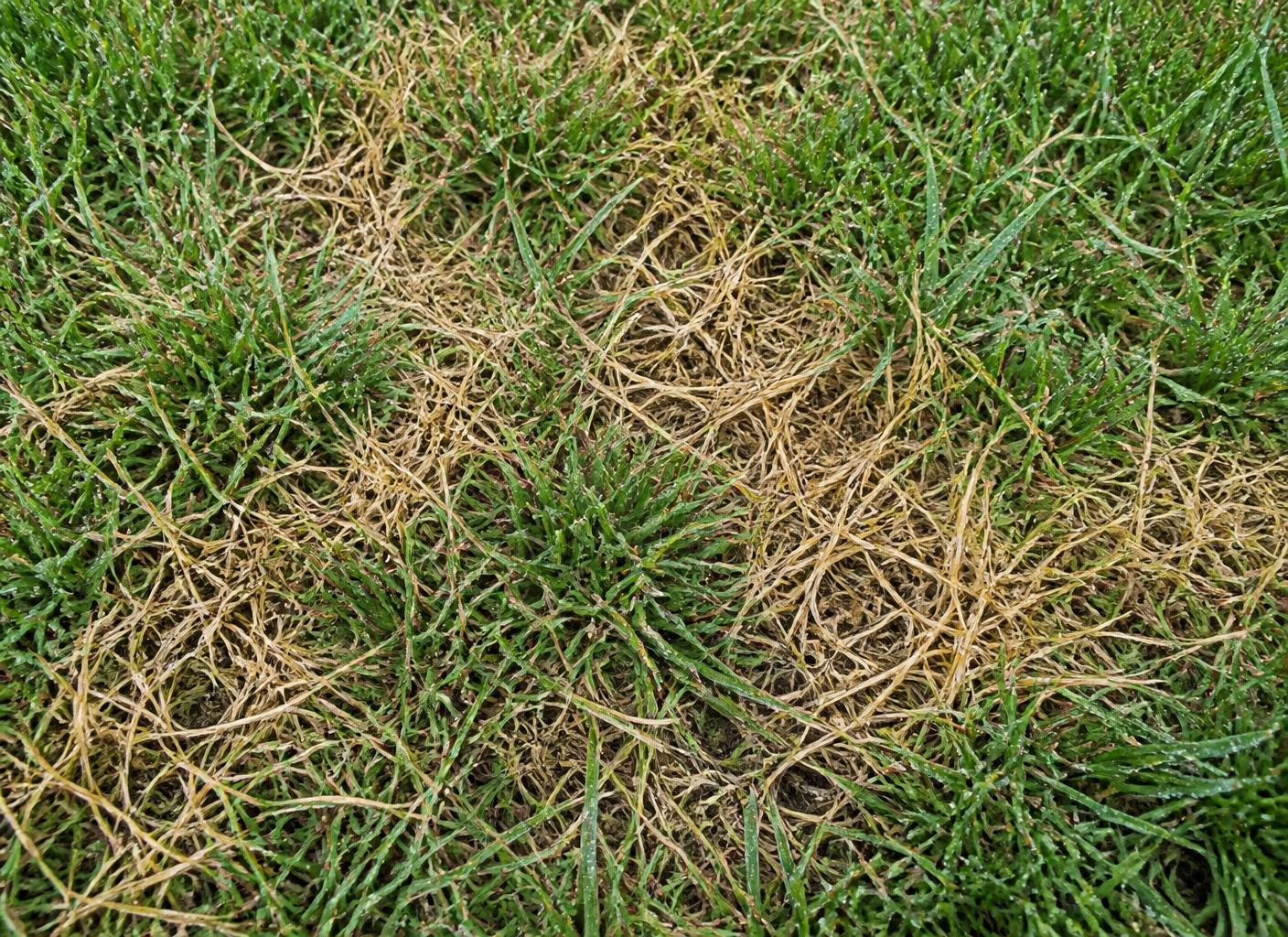
Turf diseases are caused by fungal organisms that are often already present in the lawn and become active when conditions favor them. Disease can produce patches, rings and lesions on individual blades — but so can drought, insects and soil problems, so identification comes before treatment.
Start Here
Disease Needs Three Things at Once
Turf pathologists often describe disease as requiring a susceptible plant, a pathogen and favorable environmental conditions together. That framing is useful for homeowners: it explains why a lawn can look fine for years and then develop problems during one humid stretch of Lancaster County summer.
It also explains why management is rarely only about a product. Reducing plant stress and shortening the period leaves stay wet changes the environment side of that equation.
Conditions and Contributors
What Tends to Drive Turf Disease Activity
These conditions raise the likelihood of activity; they do not guarantee it in any given lawn.
Extended Leaf Wetness
Long periods of dew, humidity or evening irrigation keep leaf surfaces wet, which many turf pathogens favor.
Warm Nights and Humidity
Summer stretches where temperatures stay high overnight are commonly associated with increased disease pressure in cool-season lawns.
Excess Nitrogen at the Wrong Time
Pushing lush growth during high-pressure periods can increase susceptibility for some diseases. Timing and rate matter.
Lawn FertilizationPoor Air Movement
Enclosed areas surrounded by fences, hedges or buildings dry more slowly, extending the period leaves stay wet.
Mowing Practices
Dull blades tear leaf tissue and create wounds, and mowing wet turf can move pathogens across the lawn.
Compacted or Poorly Drained Soil
Soil that holds water and restricts rooting keeps turf under stress, and stressed turf is more vulnerable.
Compacted Soil Guide
Look Closer Before You Treat
Is It Disease — or Something Else?
Look at individual plants, not just the overall pattern.
- Check 01
Do individual blades show lesions or spots?
Distinct lesions, banded discoloration or bleached areas on leaves are more suggestive of disease than simple drought.
- Check 02
Does the turf stay firmly rooted?
Well-anchored turf argues against heavy root feeding. Loose turf points toward checking for grubs.
Grub damage guide - Check 03
Are patches defined, circular or ring-shaped?
Distinct shapes, arcs and rings are patterns worth documenting with photos for an evaluation.
- Check 04
Did symptoms follow humid weather or evening watering?
A timing connection to extended leaf wetness supports investigating disease further.
Several lawn problems can produce similar symptoms. These guides are educational and do not replace an on-site lawn evaluation.
What Homeowners Can Do
Cultural Practices Come First
- Water early in the day so leaves dry faster, and avoid frequent light evening watering.
- Mow with sharp blades and avoid mowing wet turf when practical.
- Maintain an appropriate mowing height rather than scalping stressed lawns.
- Improve air movement and light where feasible by pruning back dense plantings around turf areas.
- Photograph affected areas and individual blades so a technician can see symptoms even if the lawn changes before the visit.
When Professional Help Makes Sense
Identify First, Then Decide
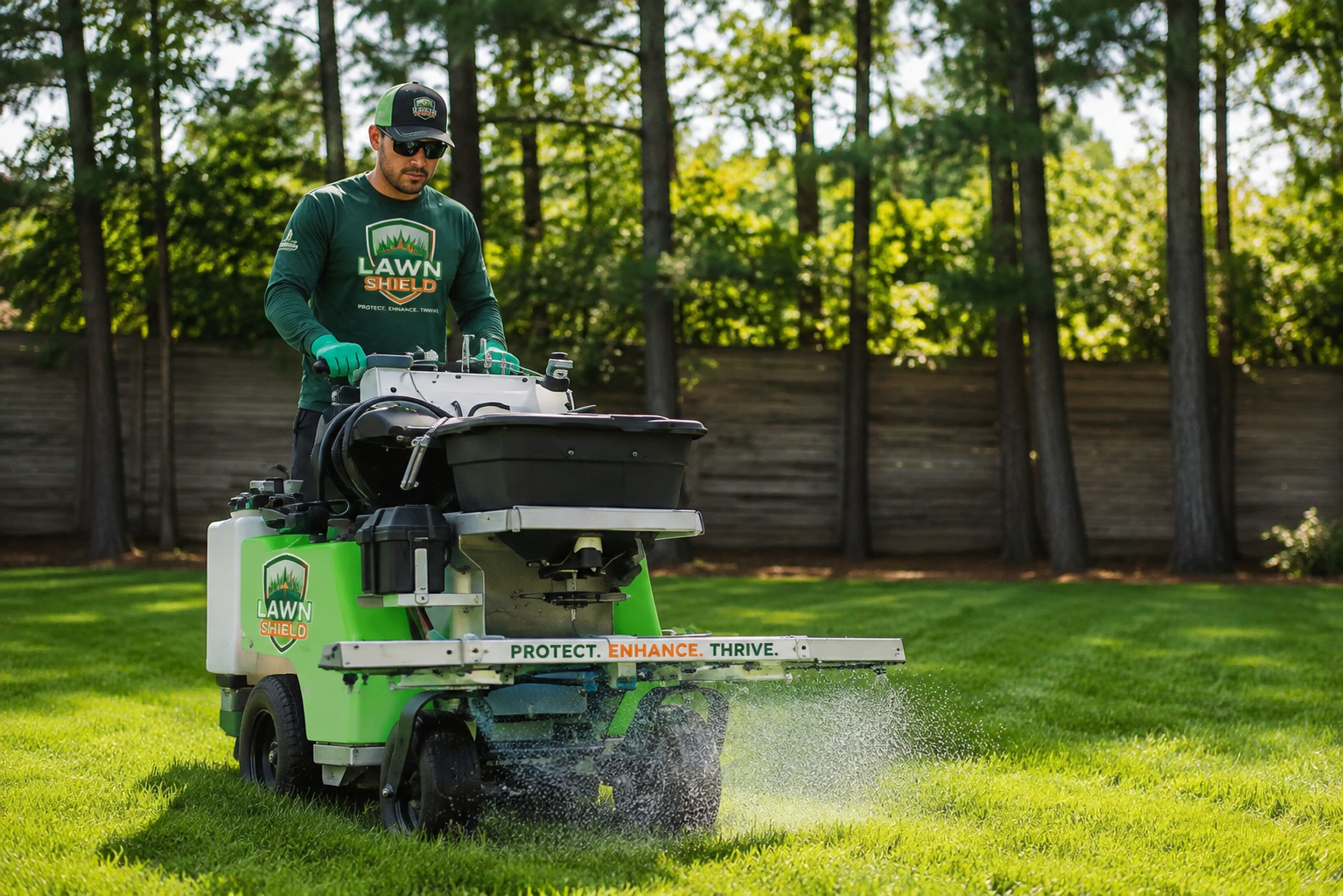
Lawn Shield evaluates symptoms, patterns and site conditions before recommending disease treatment, because products only help when they match the problem and the timing.
Explore Lawn Disease ControlLawn Disease Questions
Lawn Fungus FAQs for Lancaster County
What homeowners ask when patches and spots show up.
Request a Lawn EvaluationDoes brown grass mean I have lawn fungus?
Not on its own. Drought, heat dormancy, insect feeding, soil problems and mowing issues can all cause browning. Turf disease is one possibility among several and generally needs closer inspection of individual plants to support.
What conditions favor turf disease in Pennsylvania?
Extended leaf wetness, high humidity, warm nights and dense or stressed turf are commonly associated with increased disease activity. Practices that keep leaves wet longer — such as evening watering — can contribute.
Can I just apply a fungicide?
Fungicides target specific pathogens and are most useful when the disease has been identified and timing is appropriate. Applying products without identification often produces disappointing results and unnecessary expense.
Do cultural practices really make a difference?
Yes. Watering in the morning rather than the evening, avoiding excess nitrogen during high-pressure periods, mowing at an appropriate height with sharp blades and improving air movement can all influence disease pressure.
Will the lawn recover from a disease outbreak?
Recovery depends on the disease, how much turf was affected and conditions afterward. Some lawns fill back in with favorable weather and good practices, while significantly damaged areas may need overseeding.
Related Lawn Shield Services
Related Lawn Problem Guides
Turf guidance informed by Penn State Extension recommendations for Pennsylvania lawns. Penn State Extension does not endorse Lawn Shield.
Free Lawn Quote
Request Your Free Lancaster County Lawn Quote
Tell us about your lawn and we'll follow up with a program recommendation and pricing for your property. Programs start at $69 per application, based on a lawn up to 5,000 sq. ft.
- Free, no-obligation lawn quote
- Local Lancaster County lawn care team
- Program recommendation based on your lawn
Strange Patches Showing Up?
Get the Problem Identified
Request a free evaluation and a technician will look at symptoms, patterns and conditions before recommending an approach.
Serving Lancaster County, Pennsylvania