
Fertilization
When Should You Fertilize Your Lawn in Pennsylvania?
Quick Answer
For many Pennsylvania cool-season lawns, fertilization is most useful when turf is actively growing and able to use the nutrients. Spring and fall can both be important periods, but exact timing and frequency depend on turf condition, weather, soil fertility and the lawn-care program being used.
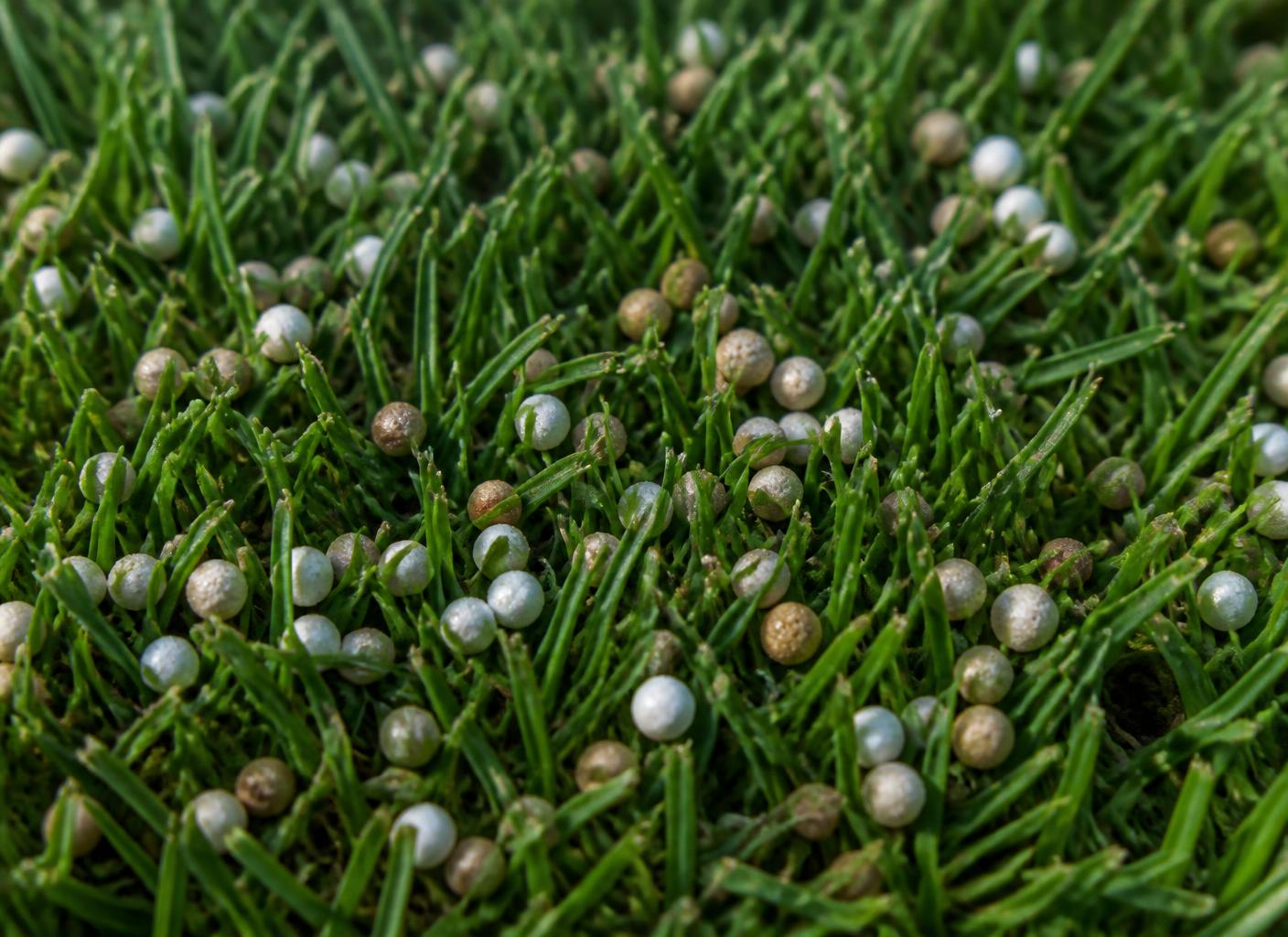
Spring Fertilization
Feeding a Lawn That's Waking Up
Cool-season turf begins active growth as soil warms in spring. Fertilizer applied while the lawn is genuinely growing gets used; fertilizer applied to a lawn that is still largely dormant mostly waits around.
Spring feeding supports color and density heading into the season, but it is worth remembering that early-season top growth is not the whole picture. Roots are also rebuilding, and pushing excessive leaf growth early can leave turf less prepared for summer.
Summer Fertilization
The Season to Be Careful
Summer is when cool-season grasses slow down. During hot, dry stretches many Pennsylvania lawns enter dormancy as a survival response. Feeding turf in that condition is generally counterproductive — the plant is conserving, not growing.
Where summer applications are used, they tend to be lighter, chosen for slower release, and matched to turf that is still actively growing and adequately watered. Turf under heat or drought stress is usually left alone until conditions improve.
If your lawn browns during summer, identify why before deciding to feed it. Our brown grass guide walks through the common causes.
Fall Fertilization
The Most Productive Window for Many Lawns
As temperatures moderate in late summer and fall, cool-season turf resumes active growth. Soil is still warm, moisture is often more reliable, and the plant puts meaningful energy into roots and tillering rather than only leaf growth.
That combination is why fall feeding is frequently emphasized for Pennsylvania lawns. It also lines up with aeration and overseeding, so a single season can improve density, soil condition and nutrition together.
Frequency
How Often Should You Fertilize?
There is no single correct number. Frequency depends on grass species, soil fertility, whether clippings are returned to the lawn, how much you water and what you expect the lawn to look like.
- Several lighter applications across periods of active growth generally suit home lawns better than one heavy application.
- Returning clippings recycles nutrients and can reduce how much supplemental nitrogen a lawn needs.
- Shaded and low-use lawns often need less than sunny, heavily used ones.
Limits
Can You Over-Fertilize?
Yes, and the consequences are not only cosmetic. Excess nitrogen can burn turf, produce soft growth that is more vulnerable to stress and disease, and contribute to nutrient movement into waterways — a meaningful consideration in a watershed county like Lancaster.
Product labels specify maximum rates for a reason. Applying more than the label allows is not a shortcut to a better lawn.
Measurement
Does Soil Testing Matter?
A soil test replaces assumptions with measured values for pH and nutrient levels. That matters because nutrient availability depends on soil chemistry: a lawn can be fed regularly and still underperform if pH is limiting uptake.
Testing periodically — rather than before every application — is usually enough to keep a program pointed in the right direction. Lawn Shield soil testing follows standard sampling practice for Pennsylvania lawns.
Fertilization Questions
Lawn Fertilization Timing FAQs
Careful answers to the timing questions homeowners ask most.
Want a Professional Fertilization Plan?Can you fertilize too early in spring?
It is possible to apply before turf is actively growing, when the lawn cannot make much use of the nutrients. Very early applications also tend to push top growth at a time when root development is still catching up.
Can you fertilize during summer?
Summer applications are approached carefully. Feeding turf that is heat-stressed or dormant can add stress, and lush growth during high-pressure periods can increase susceptibility to some diseases. Product type, rate and turf condition all matter.
How often should you fertilize a Pennsylvania lawn?
Frequency varies with turf species, soil, expectations and whether clippings are returned. Many home-lawn programs make several applications across the growing season rather than one large one, spreading nutrition across periods of active growth.
Should I water after fertilizing?
Many granular products benefit from watering in, and product labels give specific direction. Following the label is the reliable answer, since formulations differ.
Does every lawn need the same fertilizer schedule?
No. A newly seeded lawn, a mature shaded lawn and a heavily used lawn all have different needs. Soil test results can also change what and how much is applied.
Can you over-fertilize a lawn?
Yes. Excess applications can burn turf, push growth that outpaces root development and contribute to nutrient runoff. Rates on the product label exist for both turf health and environmental reasons.
Should you fertilize a stressed lawn?
Generally it is better to relieve the stress first. Fertilizing turf that is drought-stressed, heat-stressed or actively diseased often makes matters worse rather than better.
Sources & References
- Penn State Extension — Lawn and Turfgrass resources for Pennsylvania homeowners (extension.psu.edu).
- Penn State Center for Turfgrass Science — general cool-season turfgrass management guidance.
Penn State Extension does not endorse Lawn Shield. References are provided because publicly available university turfgrass guidance informed the general practices described on this page.
Published by Lawn Shield
This guide is intended to provide general lawn-care education for Pennsylvania homeowners. Treatment timing and recommendations may vary based on weather, turf conditions and the property being treated.
Free Lawn Quote
Request Your Free Lancaster County Lawn Quote
Tell us about your lawn and we'll follow up with a program recommendation and pricing for your property. Programs start at $69 per application, based on a lawn up to 5,000 sq. ft.
- Free, no-obligation lawn quote
- Local Lancaster County lawn care team
- Program recommendation based on your lawn
Want Help With Your Lawn?
Want a Professional Fertilization Plan?
Lawn care timing and treatment needs vary by property. Lawn Shield can help you determine the right next step for your Lancaster County lawn.
Serving Lancaster County, Pennsylvania