
Weed Prevention
When Should You Apply Crabgrass Preventer in Pennsylvania?
Quick Answer
Crabgrass pre-emergent products are generally applied before crabgrass seed germinates, which is driven by soil temperature rather than a specific date. In Pennsylvania that window typically falls in spring, but it shifts year to year with weather.
The Real Trigger
Soil Temperature, Not the Calendar
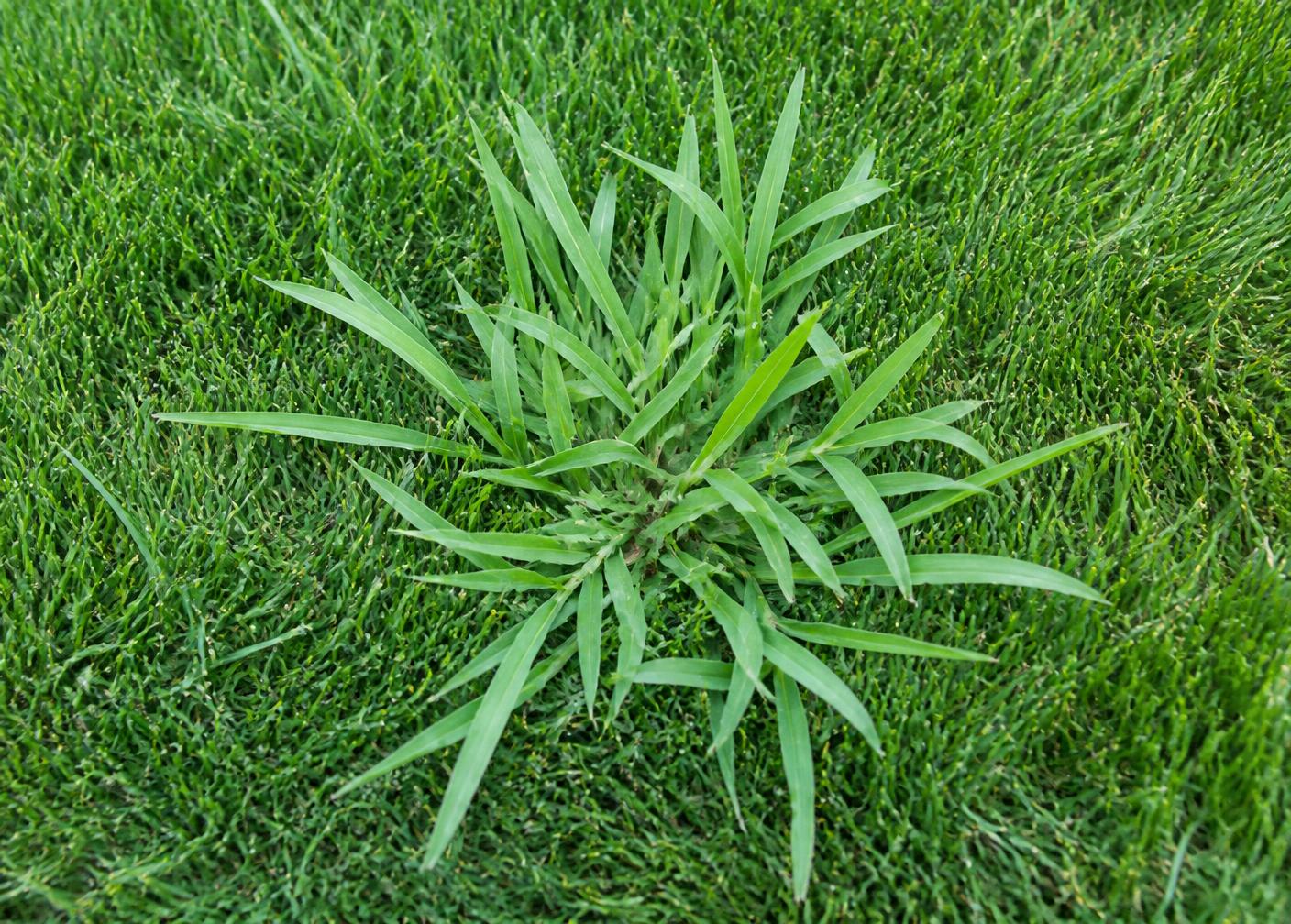
Crabgrass is a summer annual. Its seed sits in the soil through winter and germinates once the soil surface warms consistently — a threshold response, not a date. That is why a fixed application date works some years and fails others.
A pre-emergent product forms a zone near the soil surface that affects germinating seed. For that to matter, the barrier has to be in place before germination begins. Once crabgrass has emerged, the opportunity for prevention has passed for that plant.
Indicators
Natural Signals Homeowners Watch
Because soil temperature is not something most homeowners measure, several observational cues are traditionally used:
- Forsythia bloom. The classic indicator, because the shrub responds to the same warming trend. Useful, but approximate.
- Sustained soil warming. Several consecutive warm days matter more than one warm afternoon.
- Turf green-up. When the lawn begins actively growing, soil conditions are moving toward germination range.
- South-facing edges first. Driveway edges, sidewalks and sunny slopes warm before the rest of the lawn and often show crabgrass first.
Missed Window
What Happens If You Apply Too Late?
A late application still affects seed that has not yet germinated, and crabgrass germination is not a single event — it can continue over an extended period. So late is not always useless. But plants already emerged will not be controlled by a pre-emergent.
At that point the options shift to post-emergent control, which tends to work better on young plants than on mature, tillered crabgrass. See the crabgrass problem guide for identification and next steps.
Early Applications
Can You Apply Too Early?
Pre-emergent barriers break down over time. An application made very early may lose effectiveness before the germination period ends, particularly during a long, wet spring. That is one reason some programs use split applications rather than a single heavy one.
Conflicts
Crabgrass Preventer and Grass Seed
Most pre-emergent products cannot distinguish crabgrass seed from desirable grass seed. Applying one where you intend to seed generally works against the seeding.
If a lawn needs both prevention and thickening, the sequence has to be planned — often by prioritizing fall overseeding and spring prevention, rather than attempting both at once.
The Long Game
Prevention Beyond Products
Crabgrass exploits openings. Thin turf, bare soil, scalped areas and compacted strips along pavement all give it light and space. Dense turf denies both.
Mowing height, consistent fertility, relieving compaction and repairing thin areas all reduce how much work any preventer has to do. Products manage a season; turf density manages the years.
Crabgrass Questions
Crabgrass Preventer Timing FAQs
What to do when the window is early, late or already missed.
Get My Free Lawn QuoteWhat if I apply crabgrass preventer too late?
Pre-emergent products work on germinating seed, so an application made after germination has limited effect on plants already up. Post-emergent options exist, but they are generally more effective on young crabgrass than on mature plants.
What if I apply too early?
Applying well before germination can mean the barrier weakens before the germination period ends, especially with long or wet springs. Some programs use split applications for that reason.
Do forsythia blooms actually indicate the timing?
Blooming forsythia is a traditional rule of thumb because it responds to similar warming trends. It is an indicator, not a measurement — soil temperature monitoring is more reliable.
Can you seed and apply crabgrass preventer at the same time?
Most pre-emergent products do not distinguish between crabgrass seed and grass seed, so the two generally conflict. Programs that need both have to sequence them deliberately.
Does crabgrass preventer kill existing crabgrass?
Typically no. Pre-emergent products target germinating seed. Crabgrass already growing usually requires a different approach.
Do you need crabgrass preventer every year?
Crabgrass is an annual that reseeds, so pressure tends to recur where it has been established. Dense, well-maintained turf reduces the opportunity, which is why cultural practices matter alongside any product.
Does mowing height affect crabgrass?
Yes. Crabgrass germination is favored by light reaching the soil surface. Taller mowing shades the soil and makes establishment less likely.
Sources & References
- Penn State Extension — Lawn and Turfgrass resources for Pennsylvania homeowners (extension.psu.edu).
- Penn State Center for Turfgrass Science — general cool-season turfgrass management guidance.
Penn State Extension does not endorse Lawn Shield. References are provided because publicly available university turfgrass guidance informed the general practices described on this page.
Published by Lawn Shield
This guide is intended to provide general lawn-care education for Pennsylvania homeowners. Treatment timing and recommendations may vary based on weather, turf conditions and the property being treated.
Free Lawn Quote
Request Your Free Lancaster County Lawn Quote
Tell us about your lawn and we'll follow up with a program recommendation and pricing for your property. Programs start at $69 per application, based on a lawn up to 5,000 sq. ft.
- Free, no-obligation lawn quote
- Local Lancaster County lawn care team
- Program recommendation based on your lawn
Want Help With Your Lawn?
Don't Want to Guess on Timing?
Lawn care timing and treatment needs vary by property. Lawn Shield can help you determine the right next step for your Lancaster County lawn.
Serving Lancaster County, Pennsylvania