Protect Your Lawn From Damaging Insects
Lawn Insect Control in Lancaster, PA
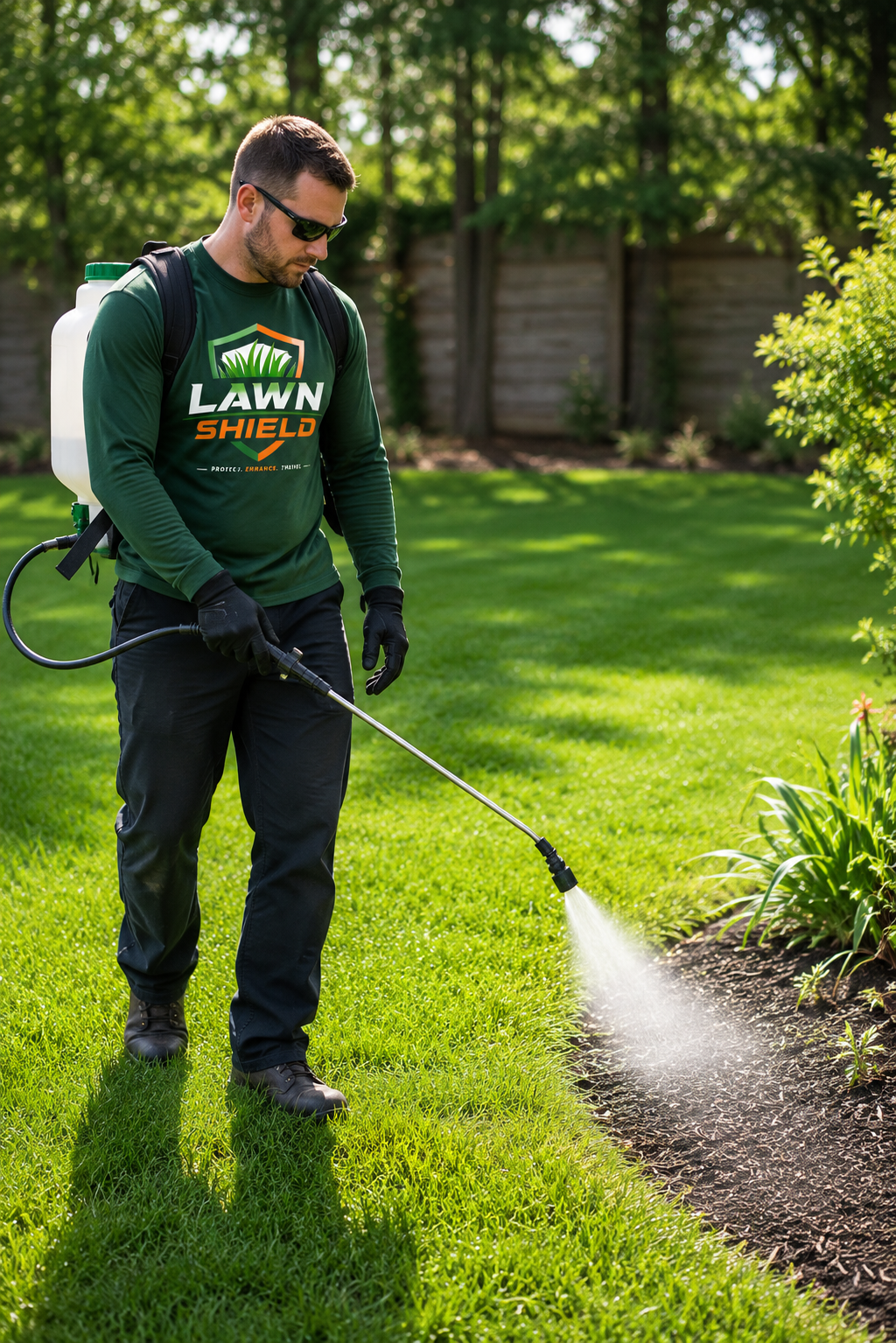
Some lawn insects feed on turf above the soil surface and can contribute to thinning, discoloration and damaged grass. Lawn Shield provides targeted surface-insect treatments as part of applicable lawn-care programs.
Serving Lancaster and communities throughout Lancaster County, Pennsylvania.
What Are Surface-Feeding Lawn Insects?
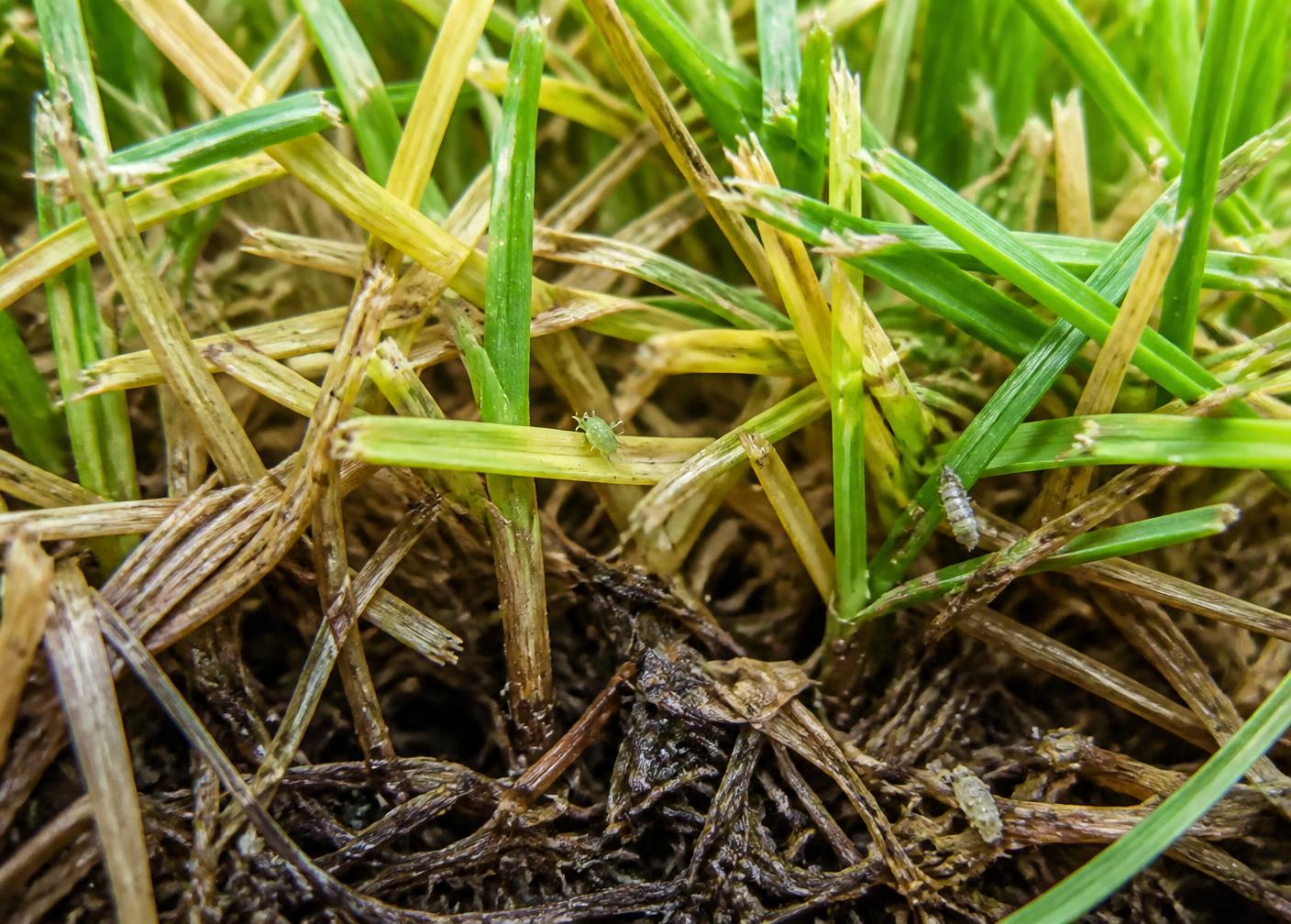
Surface-feeding lawn insects live or feed primarily within the turf canopy, thatch or near the soil surface rather than feeding primarily on roots. Depending on the pest and conditions, feeding activity can contribute to yellowing, thinning or patches of damaged turf.
That distinction matters. Root-feeding pests such as white grubs damage turf from below and are managed on a different timeline, while surface-feeding pests are active in the part of the lawn you can actually see and inspect.
Whether a surface insect population reaches damaging levels depends on the species, turf condition, weather and the property itself. A dense, well-managed lawn can often tolerate low populations without visible symptoms.
Know What You're Dealing With
Lawn Insects That Can Damage Pennsylvania Turf
These are pests that can occur in Pennsylvania home lawns. Their presence on any individual property depends on conditions — which is exactly why identification comes before treatment.
Chinch Bugs
Hairy chinch bugs can occur in Pennsylvania home lawns. Where populations build, symptoms can include yellowing, reddish-brown turf and damaged areas that appear to expand over time.
Symptoms can closely resemble drought stress, so identification matters.
Sod Webworms
Several sod webworm species can infest home lawns, and their larvae can feed on turf. Possible symptoms include thinning turf, irregular brown areas and visible feeding damage on grass blades.
Activity and damage levels vary with species, turf condition and weather.
Billbugs
Billbug species occur in Pennsylvania turf. Where present, symptoms can resemble other lawn problems, including drought stress and damage from other insects.
Confirming the pest is more useful than treating based on appearance alone.
Correct identification matters because drought, disease, grubs and other lawn problems can produce similar symptoms. Turf guidance informed by Penn State Extension recommendations for Pennsylvania lawns.
Before You Treat
Insect Damage or Something Else?
Several very different lawn problems can look alike from a distance. Working out which one you actually have is the part that protects your investment.
Surface Insects
Discoloration, thinning and irregular damaged areas within the turf canopy, depending on the pest and conditions.
Grubs
Root feeding beneath the surface, which can leave turf loose or spongy where damage is significant.
Explore Grub ControlDisease
Spots, patches or discoloration may develop depending on the disease and environmental conditions.
Explore Lawn Disease ControlHeat / Drought
Wilting, discoloration and stress can occur during hot or dry stretches without any insect problem being present.
Seasonal Context
When Are Lawn Insects Active in Pennsylvania?
There is no single date that applies to every lawn. Insect activity can vary with:
- Insect species
- Life stage
- Weather conditions
- Turf condition and density
- Time of year
- The individual property
Penn State guidance notes that certain leaf- and stem-feeding pests such as chinch bugs and sod webworms can cause damage during hot, dry summer conditions. Rather than treating on a rigid calendar, Lawn Shield looks at what the lawn is showing and recommends the appropriate next step.

Program Inclusion
Surface Insect Control Is Included in Pro and Elite
Surface insect control is part of the Lawn Shield Pro and Elite programs. The Essential program covers core fertilization, pre-emergent crabgrass control, weed control and grub prevention without surface insect treatment.
Essential
5 Visits
Core fertilization, pre-emergent crabgrass control, weed control and grub prevention through the season.
- Best Value
Pro
6 Visits
Everything in Essential plus surface insect control, one free lawn treatment, a root stimulant bonus and unlimited service calls.
Elite
10 Visits
Our most complete program, adding disease control, core aeration and a professional soil test.
Programs start at $69 per application, based on a lawn up to 5,000 sq. ft.
Lancaster County Service
Lawn Insect Control Throughout Lancaster County
Lawn Shield treats lawns across Lancaster County, and insect pressure can differ from one property to the next depending on turf type, sun exposure, irrigation and surrounding landscaping.
If your lawn is thinning or discoloring and you are not sure why, our team can help determine whether insects are part of the picture before anything is applied.
- Lawn care in Lancaster
- Lawn care in Lititz
- Lawn care in Manheim Township
- Lawn care in East Petersburg
- Lawn care in Mount Joy
- Lawn care in Ephrata
- Landisville
- Millersville
- Elizabethtown
- Strasburg
- New Holland
Lawn Insect Questions
Lawn Insect Control FAQs
Practical answers about identifying and managing surface-feeding lawn insects in Pennsylvania.
Get Exact PricingWhat insects damage lawns in Pennsylvania?
Pennsylvania home lawns can be affected by surface-feeding pests such as hairy chinch bugs, sod webworms and billbugs, along with root-feeding white grubs. Which pests are present, and whether they cause visible damage, depends on the property, turf conditions and the season.
How do I know if insects are damaging my grass?
Insect damage is confirmed by inspecting the turf rather than by appearance alone. Discoloration, thinning and irregular damaged areas can indicate insect activity, but the same symptoms can also come from drought, disease or other stress. A closer look at the turf canopy, thatch and soil surface helps narrow it down.
What does chinch bug damage look like?
Where hairy chinch bugs are present in numbers, symptoms can include yellowing and reddish-brown turf, often in sunny areas, with damaged areas that appear to expand. Because these symptoms can overlap with drought stress, checking for the insects themselves is an important step.
What are sod webworms?
Sod webworms are the larvae of small moths. Several species can infest home lawns, and the larvae can feed on turf, which may result in thinning, irregular brown areas and visible feeding damage depending on population levels and turf conditions.
Are lawn insects active during summer?
Activity varies by insect species, life stage, weather and turf conditions. Penn State guidance notes that certain leaf- and stem-feeding pests, such as chinch bugs and sod webworms, can cause damage during hot, dry summer conditions. That is a general pattern rather than a fixed treatment calendar.
Could brown grass be caused by something other than insects?
Yes — and this is important. Heat and drought stress, lawn disease, soil compaction, mowing practices and root-feeding grubs can all produce symptoms that look similar to surface-insect damage. Correct identification matters because the wrong treatment will not resolve the underlying problem.
Is surface insect control included in Lawn Shield programs?
Surface insect control is included in the Lawn Shield Pro and Elite programs. It is not part of the Essential program, which focuses on core fertilization, pre-emergent crabgrass control, weed control and grub prevention.
How much does lawn insect control cost in Lancaster, PA?
Surface insect control is delivered as part of a Lawn Shield program rather than priced as a stand-alone product. Programs currently start at $69 per application based on a lawn up to 5,000 sq. ft., with final pricing depending on lawn size, condition and the program selected.
Free Lawn Quote
Request Your Free Lancaster County Lawn Quote
Tell us about your lawn and we'll follow up with a program recommendation and pricing for your property. Programs start at $69 per application, based on a lawn up to 5,000 sq. ft.
- Free, no-obligation lawn quote
- Local Lancaster County lawn care team
- Program recommendation based on your lawn
Free Lawn Evaluation
Something Attacking Your Lawn?
Let Lawn Shield help determine the right next step for your Lancaster County lawn.
Surface Insect Control • Lancaster County, PA