Identify. Treat. Protect.
Lawn Disease Control in Lancaster, PA
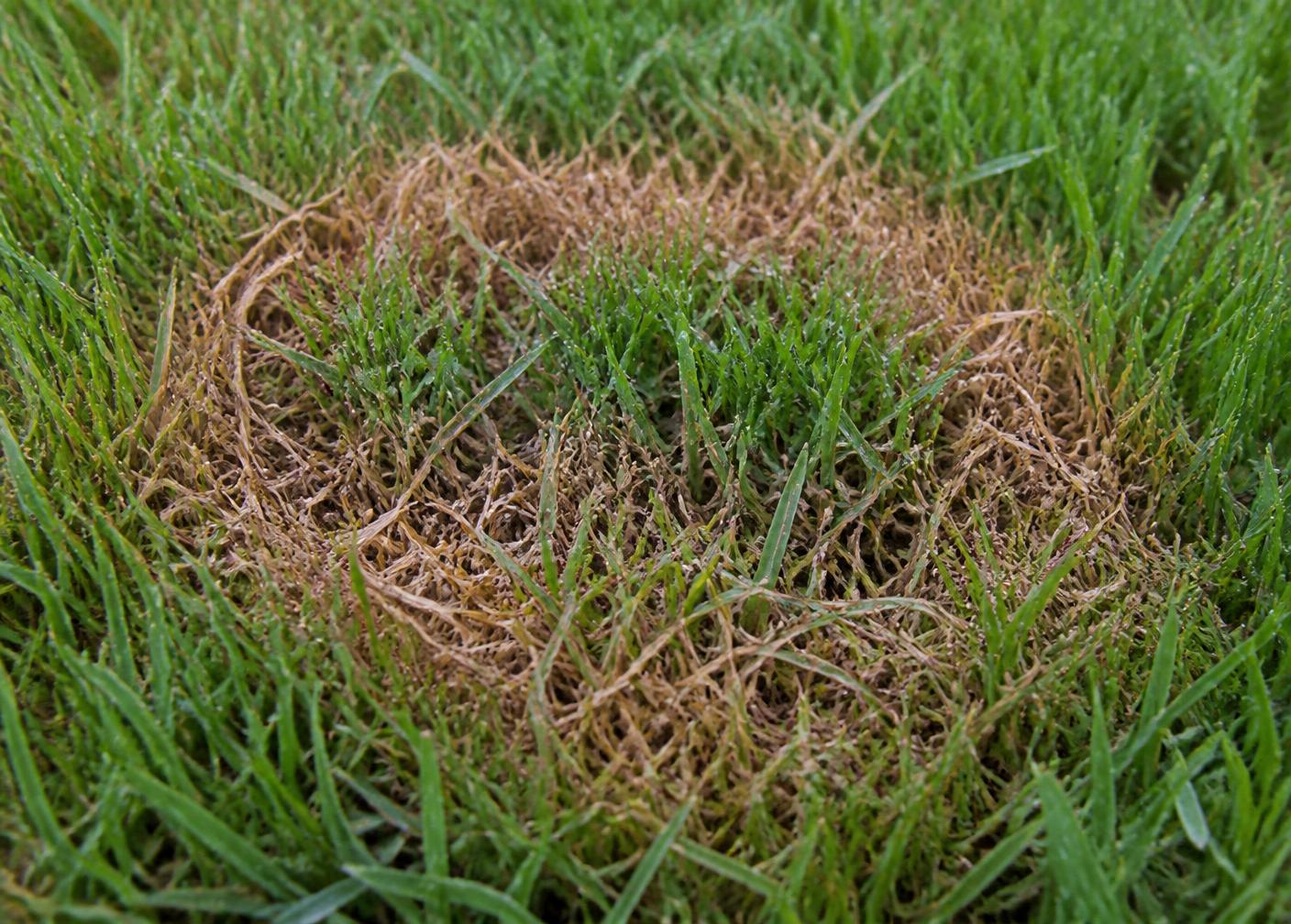
Brown patches, discoloration and thinning turf can sometimes indicate lawn disease — but disease isn't the only possible cause. Lawn Shield takes a problem-focused approach to lawn care and offers disease control through applicable programs.
What Causes Lawn Disease?
Turfgrass diseases can develop when a susceptible grass, a disease-causing organism and favorable environmental conditions occur together. Moisture, temperature, turf species and lawn-management practices can all influence disease development.
Because all three factors have to line up, disease pressure can vary widely between two lawns on the same street. Shade, airflow, irrigation habits, mowing height and fertility all shift the odds — which is why management usually starts with growing conditions rather than a product.
Educational Overview
Lawn Diseases That Can Affect Pennsylvania Turf
These diseases can occur on Pennsylvania lawns. That does not mean every one of them is present, or common, on any individual Lancaster property.
Brown Patch
Brown patch is a fungal turfgrass disease that can occur under favorable environmental conditions, particularly during warm, humid periods with extended leaf wetness.
Dollar Spot
Dollar spot can affect turfgrass and produces characteristic small areas of affected grass. Severity can vary with turf species, fertility and environmental conditions.
Red Thread
Red thread is a foliar turfgrass disease that can occur in home lawns. It affects leaf tissue and is often associated with certain fertility and moisture conditions.
Rust
Turfgrass rust diseases can occur on home lawns and other turf areas, sometimes appearing on grass blades during periods when turf growth slows.
Turf guidance informed by Penn State Extension recommendations for Pennsylvania lawns.
Diagnose First
Brown Grass Does Not Automatically Mean Lawn Disease
Several lawn problems can create similar-looking symptoms. Proper identification matters before choosing a treatment.
Heat / Drought
Hot, dry stretches can cause wilting, discoloration and dormancy that looks like disease damage.
Grubs
Root feeding beneath the surface can thin turf and leave damaged areas.
Grub ControlSurface Insects
Chinch bugs, sod webworms and similar pests can contribute to yellowing and irregular damage.
Surface Insect ControlCompaction
Where compaction is present, restricted oxygen and root development can make turf struggle.
Aeration & OverseedingMowing / Turf Stress
Mowing too short, dull blades and general stress can weaken turf and mimic disease symptoms.
Disease
Turfgrass disease is one possible cause among several — and confirming it changes the treatment.
Approach
How Is Lawn Disease Managed?
Management may involve a combination of practices rather than a single product. Fungicide is not always necessary, and it is not the starting point for every discolored lawn.
Strengthening the lawn generally makes disease pressure easier to live with, which is why balanced fertilization and aeration and overseeding often matter as much as any treatment.
- Correct identification of the problem
- Appropriate cultural practices
- Appropriate watering
- Appropriate mowing height and frequency
- Fertility management
- Thatch management where relevant
- Targeted treatment where appropriate
Program Inclusion
Disease Control Is Included in Lawn Shield Elite
Disease Control is currently part of the Elite program only — Lawn Shield's most comprehensive level of lawn protection, which also adds core aeration and a soil test. Essential and Pro do not include disease control.
Essential
5 Visits
Core fertilization, pre-emergent crabgrass control, weed control and grub prevention through the season.
- Best Value
Pro
6 Visits
Everything in Essential plus surface insect control, one free lawn treatment, a root stimulant bonus and unlimited service calls.
Elite
10 Visits
Our most complete program, adding disease control, core aeration and a professional soil test.
Programs start at $69 per application, based on a lawn up to 5,000 sq. ft.
Lancaster County Service
Lawn Disease Management Across Lancaster County
Lawn Shield works with homeowners throughout Lancaster County, where shade, airflow, irrigation and turf species all differ from property to property — and all influence disease pressure.
If patches have appeared and you are not sure what caused them, a lawn evaluation is the practical first step before anything is applied.
- Lawn care in Lancaster
- Lawn care in Lititz
- Lawn care in Manheim Township
- Lawn care in East Petersburg
- Lawn care in Mount Joy
- Lawn care in Ephrata
- Landisville
- Millersville
- Elizabethtown
- Strasburg
- New Holland
Lawn Disease Questions
Lawn Disease Control FAQs
Careful answers about lawn fungus, brown patches and what actually needs treatment.
Request an EvaluationWhy is my lawn developing brown patches?
Brown patches can have several possible causes, including heat or drought stress, insect activity, soil compaction, mowing practices and turfgrass disease. Because these can look similar, identifying the cause before treating is the step that saves time and money.
How can I tell if my lawn has fungus?
Turfgrass diseases are identified by looking at the pattern of affected areas and the symptoms on individual grass blades, along with the environmental conditions the lawn has experienced. That inspection is more reliable than judging by the color of the lawn from a distance.
What lawn diseases occur in Pennsylvania?
Turfgrass diseases that can occur on Pennsylvania lawns include brown patch, dollar spot, red thread and rust, among others. Which — if any — appear on a given property depends on turf species, environmental conditions and lawn management.
Does overwatering contribute to lawn disease?
It can, depending on the pathogen and conditions. Excessive or prolonged leaf wetness can favor certain turfgrass diseases, which is why watering timing and frequency are part of a disease-management conversation rather than an afterthought.
Does every brown patch need fungicide?
No. Many brown or thinning areas are not caused by disease at all, and even where disease is present, management often begins with cultural practices such as watering, mowing, fertility and thatch management. Targeted treatment is used where it is appropriate, not automatically.
Is lawn disease control included in every Lawn Shield program?
No. Disease Control is currently included in the Elite program only. Essential and Pro do not include disease control.
How much does lawn disease treatment cost in Lancaster, PA?
Disease control is delivered through the Elite program rather than priced as a stand-alone treatment. Programs currently start at $69 per application based on a lawn up to 5,000 sq. ft., with final pricing depending on lawn size, condition and program.
Free Lawn Quote
Request Your Free Lancaster County Lawn Quote
Tell us about your lawn and we'll follow up with a program recommendation and pricing for your property. Programs start at $69 per application, based on a lawn up to 5,000 sq. ft.
- Free, no-obligation lawn quote
- Local Lancaster County lawn care team
- Program recommendation based on your lawn
Free Lawn Evaluation
Not Sure What's Causing Those Brown Patches?
Request a free Lawn Shield evaluation and we'll help identify what your Lancaster County lawn is actually dealing with. Call 717-538-0005.
Lawn Disease Control • Lancaster County, PA