
Lawn Problem Guide
Why Is My Lawn Thin and Patchy in Lancaster, PA?
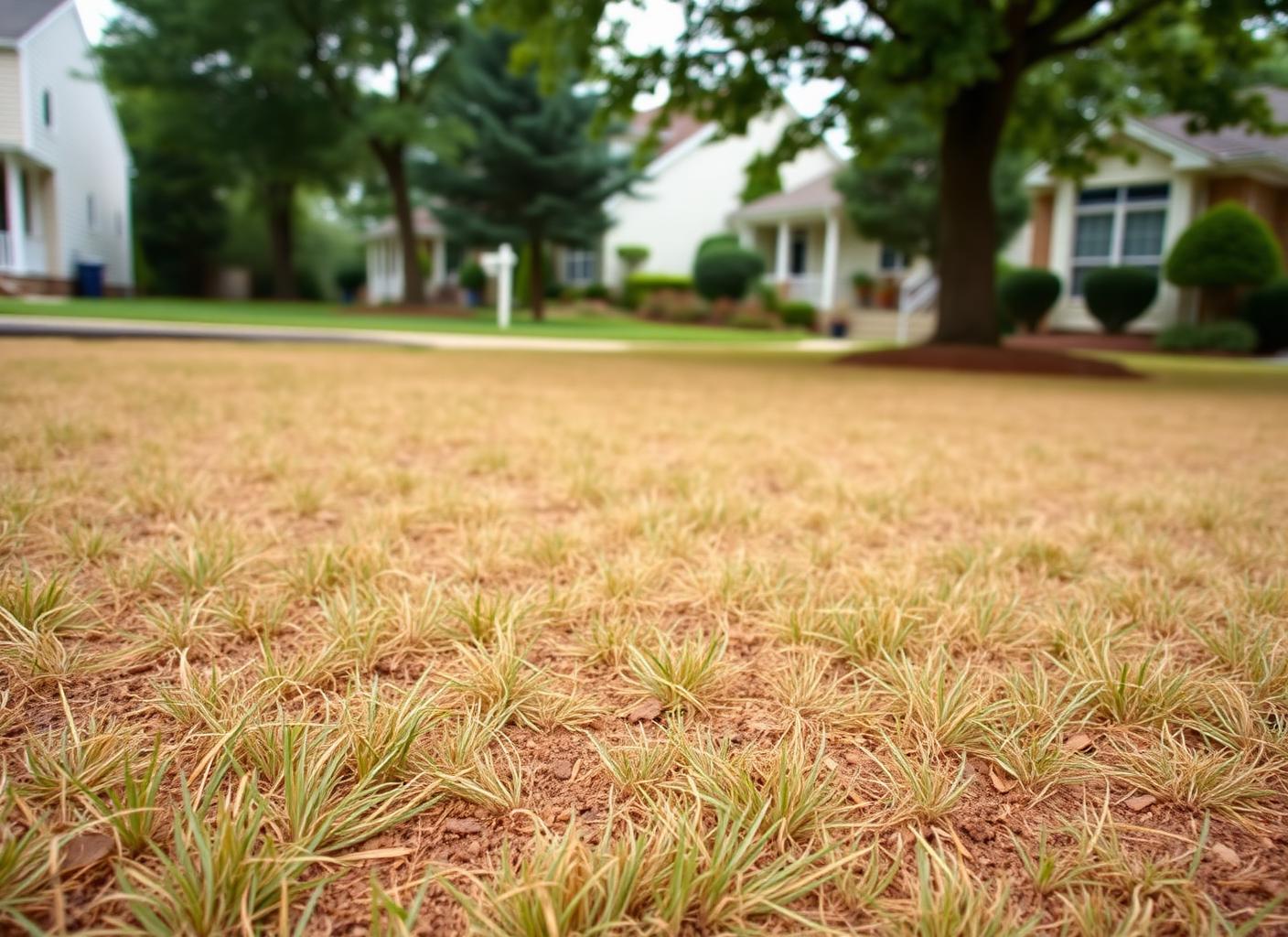
Thin turf usually means something is limiting growth or recovery — compacted soil, shade, traffic, low fertility, insect or disease pressure, or seeding that never fully established. Thickening a lawn starts with identifying which limitation applies.
Start Here
Density Is the Result of Growing Conditions
A dense lawn is not simply a matter of how much seed was put down. Cool-season grasses in Lancaster County need reasonable light, workable soil, adequate nutrition and recovery periods between stress events. When any of those are short, the stand thins and open ground appears between plants.
Open ground matters for more than appearance. Bare soil warms faster, dries out faster and is where annual weeds such as crabgrass most readily germinate. That is why thin lawns and weedy lawns so often show up together.
Possible Causes
What Commonly Limits Turf Density
Several of these frequently occur together, especially in established neighborhoods and newer developments.
Soil Compaction
Compacted soil reduces pore space, which can restrict air and water movement and limit root development — often showing first in high-traffic areas.
Compacted Soil GuideShade and Tree Competition
Mature trees reduce light and compete for water and nutrients. Even shade-tolerant fescues have limits, and heavily shaded turf tends to stay thin.
Traffic and Wear
Play areas, pet paths and regular walking routes compress soil and physically damage crowns, producing predictable thin strips.
Low or Unbalanced Fertility
Turf needs nutrients to produce new tillers. Fertility and pH problems limit the lawn's ability to fill in on its own.
Soil TestingInsect Feeding
Root-feeding grubs and surface feeders such as chinch bugs can thin turf gradually, sometimes before obvious damage appears.
Surface Insect ControlTurf Disease Pressure
Repeated disease activity can weaken stands over time and leave patchy areas that never fully recover.
Lawn Disease ControlWeed Competition
Once weeds occupy open areas, they compete with desirable turf for light, water and nutrients and slow the lawn's recovery.
Weed ControlPoor Seeding Timing
Seed sown into hot, dry conditions or into compacted ground often fails to establish, leaving the same thin areas by the next season.
Aeration & OverseedingConstruction and Fill Soils
In newer developments, topsoil depth and soil handling during construction can affect rooting and long-term turf performance.
Look Closer Before You Treat
Narrowing Down Why Your Lawn Is Thin
Where and how a lawn thins says a lot about the cause.
- Check 01
Is the thinning under or near trees?
Shade and root competition are likely contributors. Species selection and expectations both matter in those areas.
- Check 02
Does a screwdriver push into moist soil easily?
Resistance in moist soil can indicate compaction. Core aeration is the usual mechanical response.
Compacted soil guide - Check 03
Are the thin areas along walking or pet routes?
Consistent traffic patterns point to wear and compaction rather than pest or disease activity.
- Check 04
Are weeds filling the open space?
Weed pressure in bare areas is common. Improving density and managing weeds usually go together.
Crabgrass guide
Several lawn problems can produce similar symptoms. These guides are educational and do not replace an on-site lawn evaluation.
What Helps
Practical Ways to Build Density Back
- Address the limiting condition first — compaction, shade, drainage or fertility.
- Seed during the late-summer to early-fall window when conditions in Pennsylvania are generally more favorable for cool-season establishment.
- Choose grass species suited to the site, including shade-tolerant fescues in lower light areas.
- Mow at a higher height so turf shades the soil surface and roots stay deeper.
- Keep new seedlings consistently moist during establishment, then transition to deeper, less frequent watering.
When Professional Help Makes Sense
Aeration and Overseeding Work Best Together
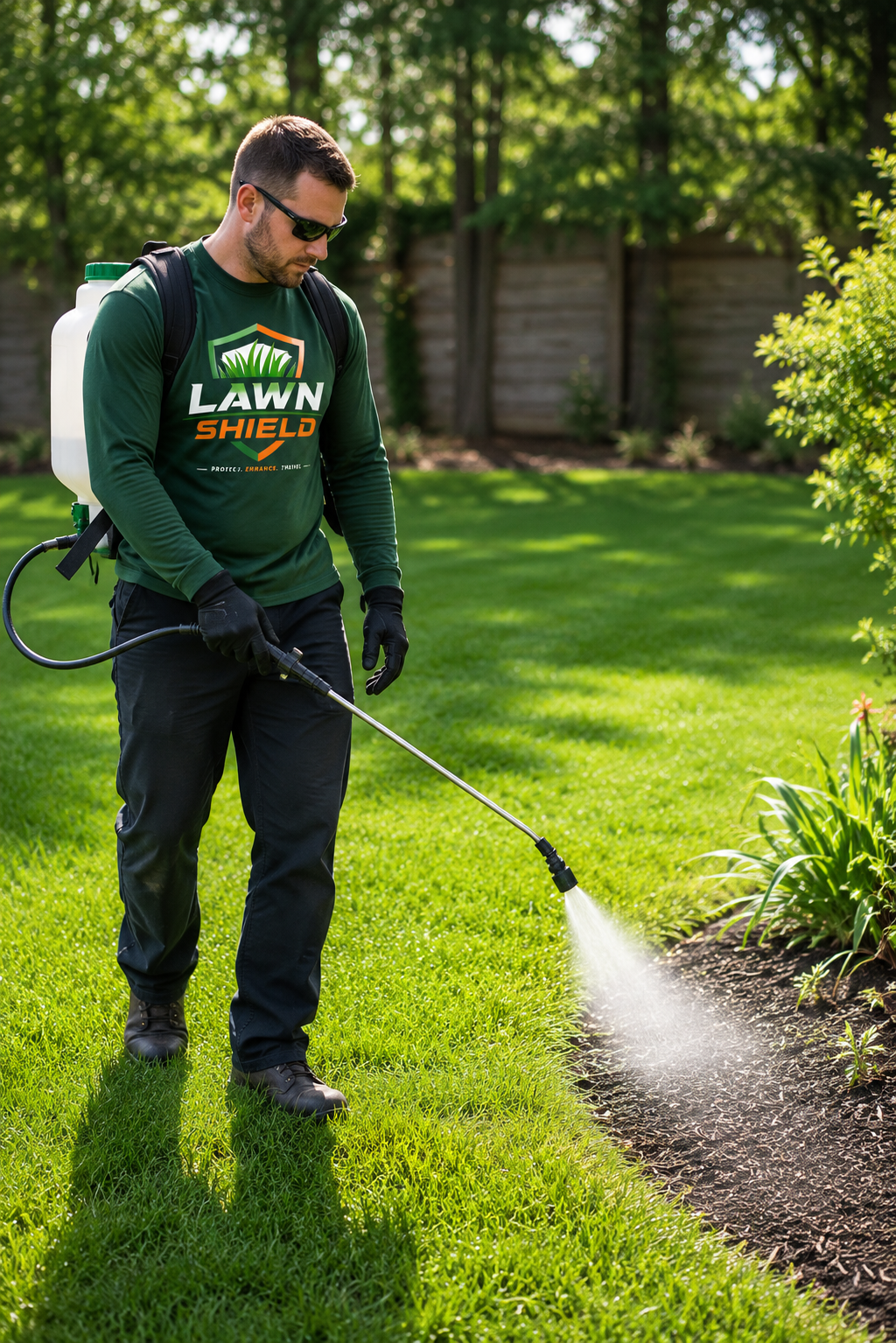
Core aeration relieves compaction and creates soil openings for seed-to-soil contact, which is why Lawn Shield commonly pairs it with overseeding for thin Lancaster County lawns.
Explore Aeration & OverseedingThin Lawn Questions
Thin & Patchy Lawn FAQs
What homeowners most often ask about thickening a lawn in Lancaster County.
Request a Lawn EvaluationWhy does my lawn keep thinning out every year?
Recurring thinning usually points to an underlying site condition rather than a one-time event. Compaction, heavy shade, traffic patterns, poor soil fertility and repeated summer stress can all limit how well turf recovers season to season.
Will overseeding alone fix a thin lawn?
Overseeding can add new plants, but seedlings still need favorable conditions to establish. When compaction, shade or fertility problems remain unaddressed, new seedlings often thin out the same way the previous turf did.
When is the best time to overseed in Pennsylvania?
Penn State Extension generally identifies late summer into early fall as the most favorable window for seeding cool-season lawns in Pennsylvania, because soil is warm, air temperatures are moderating and weed competition is typically lower than in spring.
Can weeds cause a lawn to thin?
Weeds more often follow thin turf than cause it, but once established they compete for light, water and nutrients and can make it harder for desirable grass to fill back in.
How long does it take to thicken a lawn?
Turf density is built over seasons, not weeks. Improvement usually depends on correcting site limitations, consistent mowing and fertility practices, and seeding at appropriate times.
Related Lawn Shield Services
Related Lawn Problem Guides
Turf guidance informed by Penn State Extension recommendations for Pennsylvania lawns. Penn State Extension does not endorse Lawn Shield.
Free Lawn Quote
Request Your Free Lancaster County Lawn Quote
Tell us about your lawn and we'll follow up with a program recommendation and pricing for your property. Programs start at $69 per application, based on a lawn up to 5,000 sq. ft.
- Free, no-obligation lawn quote
- Local Lancaster County lawn care team
- Program recommendation based on your lawn
Tired of a Thin Lawn?
Build a Thicker Lawn on Purpose
Request a free evaluation and we'll look at soil condition, light, wear patterns and turf health before recommending a plan.
Serving Lancaster County, Pennsylvania