
Lawn Problem Guide
Dandelions in Lancaster, PA: Why They Spread and What Helps
Dandelions are perennial broadleaf weeds with a deep taproot. They regrow when only the top of the plant is removed, produce wind-carried seed that travels easily between properties, and establish fastest where turf is thin enough to let light reach the soil.
Identification
What You're Actually Looking At
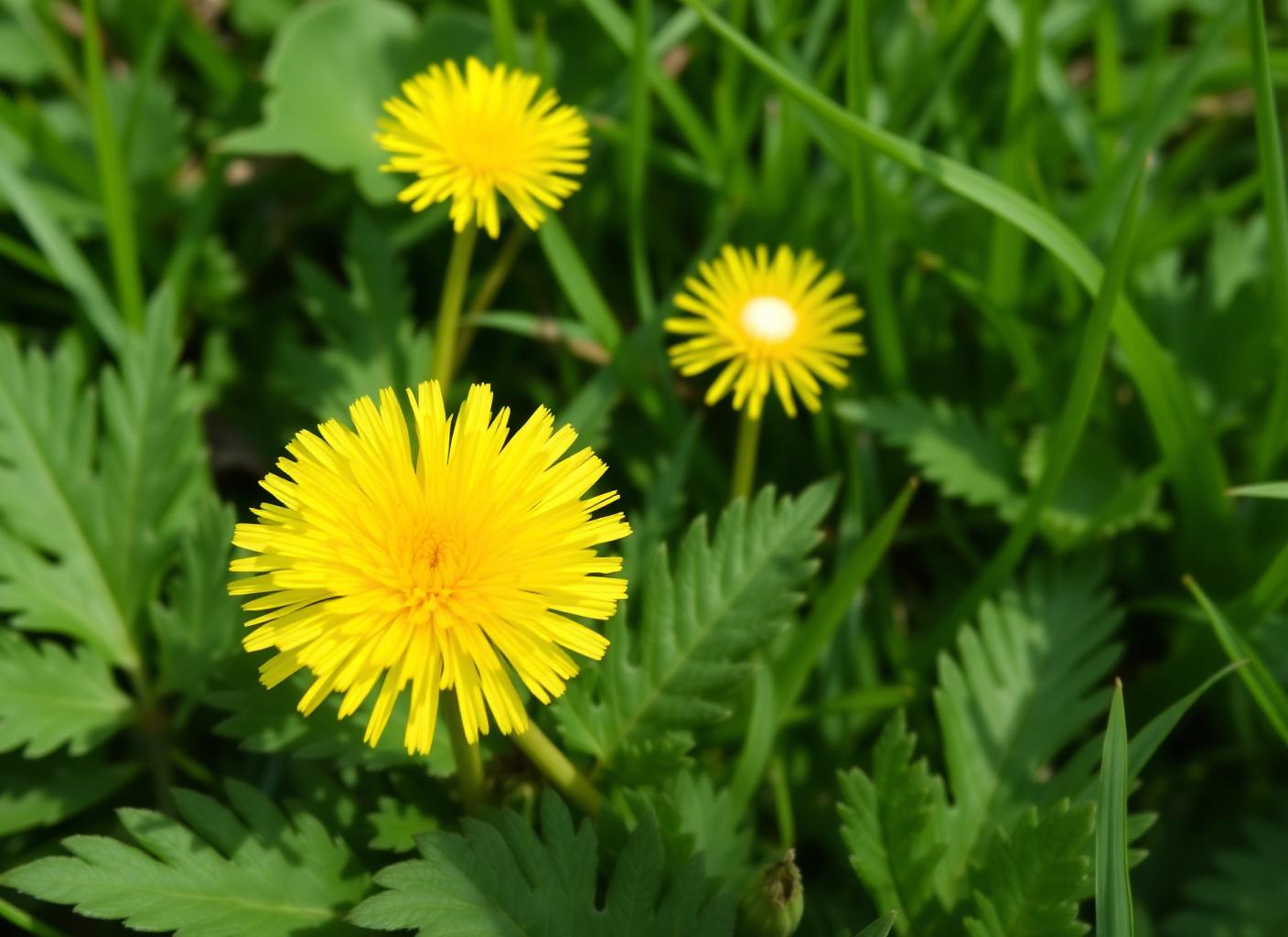
Dandelions form a low rosette of jagged, deeply toothed leaves radiating from a central crown. Bright yellow flowers sit on hollow stems that release a milky sap when broken, and flowers mature into the familiar white seed heads that scatter on the wind.
Below ground the plant develops a thick taproot that can extend well into the soil profile. That root is why dandelions persist through mowing, tolerate dry periods and frequently return after being pulled.
Why They Spread
Conditions That Encourage Dandelions
Dandelions are widespread across Pennsylvania. These factors influence how heavily they establish in a given lawn.
Thin Turf and Open Soil
Seedlings need light at the soil surface. Thin lawns give them exactly that, especially through spring and fall.
Thin & Patchy GrassWind-Blown Seed
Seed travels readily from neighboring lawns, fields and roadsides, so pressure exists even in well-maintained neighborhoods.
Remaining Root Fragments
Hand-pulling that leaves part of the taproot behind can allow the plant to regenerate from the same spot.
Low Mowing Heights
Short mowing reduces turf competitiveness while dandelion rosettes sit below the blade and are largely unaffected.
Compacted or Worn Areas
Edges, paths and play areas where turf struggles often develop the heaviest broadleaf weed populations.
Compacted Soil GuideWeak Turf Fertility
When grass is underfed or pH is off, it competes less effectively for the same space, light and moisture.
Soil Testing
Look Closer Before You Treat
Dandelion or Something Else?
A few lookalikes show up in Lancaster County lawns.
- Check 01
Are the leaves deeply toothed in a flat rosette?
That pattern is characteristic of dandelion. Cat's ear and hawkweed can look similar but have hairy leaves.
- Check 02
Is there one flower per hollow stem?
Dandelions carry a single flower head per smooth hollow stem. Branched stems with multiple flowers point to a different weed.
- Check 03
Does the stem release milky sap?
Broken dandelion stems exude a white milky sap, which helps separate them from several lookalikes.
- Check 04
Are broadleaf weeds widespread across the lawn?
Widespread pressure usually means turf density is the underlying issue, not just the weed itself.
Clover guide
Several lawn problems can produce similar symptoms. These guides are educational and do not replace an on-site lawn evaluation.
What Homeowners Can Do
Realistic Dandelion Management
- Mow before seed heads mature to reduce how much seed is released on your property.
- Raise mowing height so turf shades the soil and gives new seedlings fewer openings.
- If hand-pulling, remove as much taproot as possible and use a weeding tool in moist soil.
- Fill in thin areas by overseeding during the late summer to early fall window.
- Consider fall treatments for established plants, when perennial weeds are moving resources to their roots.
When Professional Help Makes Sense
Weed Control Plus Turf Density
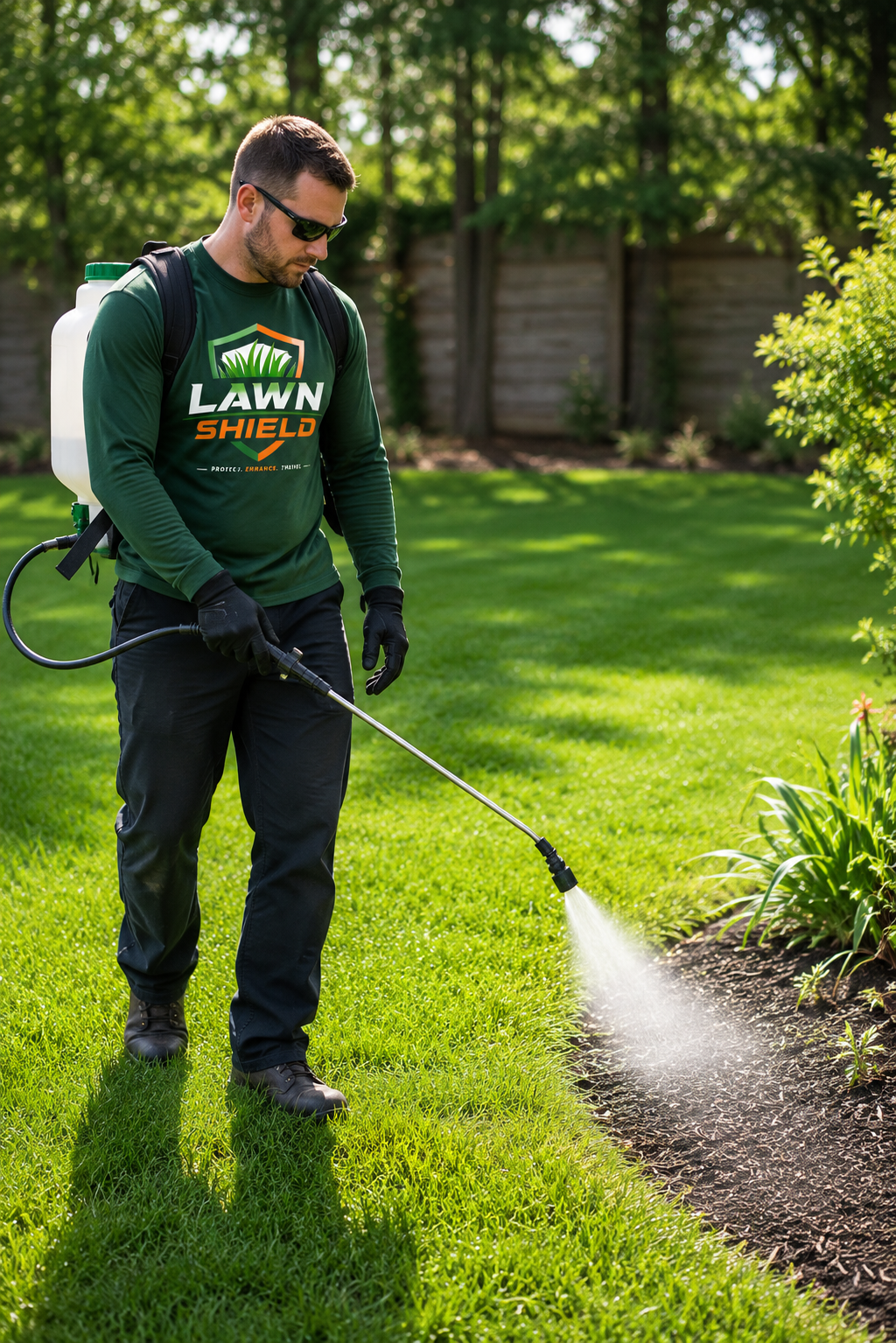
Treating visible weeds without improving turf density usually invites the next round. Lawn Shield weed control is built around both sides of that equation across the season.
Explore Weed ControlDandelion Questions
Dandelion FAQs for Lancaster County Homeowners
What people ask most about controlling dandelions in a home lawn.
Request a Lawn EvaluationWhy do dandelions keep coming back after I pull them?
Dandelions are perennials with a deep taproot. If a portion of the root remains in the soil after pulling, the plant can regrow from it, which is why hand-pulling often gives temporary results.
When is the best time to treat dandelions?
Penn State Extension generally notes that fall applications are often effective on perennial broadleaf weeds, because plants are moving carbohydrates to their roots during that period. Spring treatments are also used, though results can vary with plant stage and weather.
Do dandelions mean my soil is bad?
Not necessarily. Dandelions establish readily in many soil types. They are more reliably an indicator of open space and light reaching the soil than of a specific soil deficiency, though a soil test can identify fertility or pH issues affecting turf competitiveness.
Will a thick lawn stop dandelions?
Dense turf reduces the open, sunlit ground that seedlings need to establish. It does not eliminate wind-blown seed from neighboring properties, but it does make establishment considerably harder.
Are dandelions harmful to grass?
They compete with turf for light, water and nutrients, and their broad leaves can shade out grass plants nearby. They are not toxic to turf, but heavy populations can thin a stand over time.
Related Lawn Shield Services
Related Lawn Problem Guides
Turf guidance informed by Penn State Extension recommendations for Pennsylvania lawns. Penn State Extension does not endorse Lawn Shield.
Free Lawn Quote
Request Your Free Lancaster County Lawn Quote
Tell us about your lawn and we'll follow up with a program recommendation and pricing for your property. Programs start at $69 per application, based on a lawn up to 5,000 sq. ft.
- Free, no-obligation lawn quote
- Local Lancaster County lawn care team
- Program recommendation based on your lawn
Fewer Weeds, Thicker Turf
Take Back the Lawn From Broadleaf Weeds
Request a free quote and we'll recommend a seasonal approach for your lawn's weed pressure and turf condition.
Serving Lancaster County, Pennsylvania