
Lawn Problem Guide
Crabgrass in Lancaster, PA: How to Identify and Prevent It
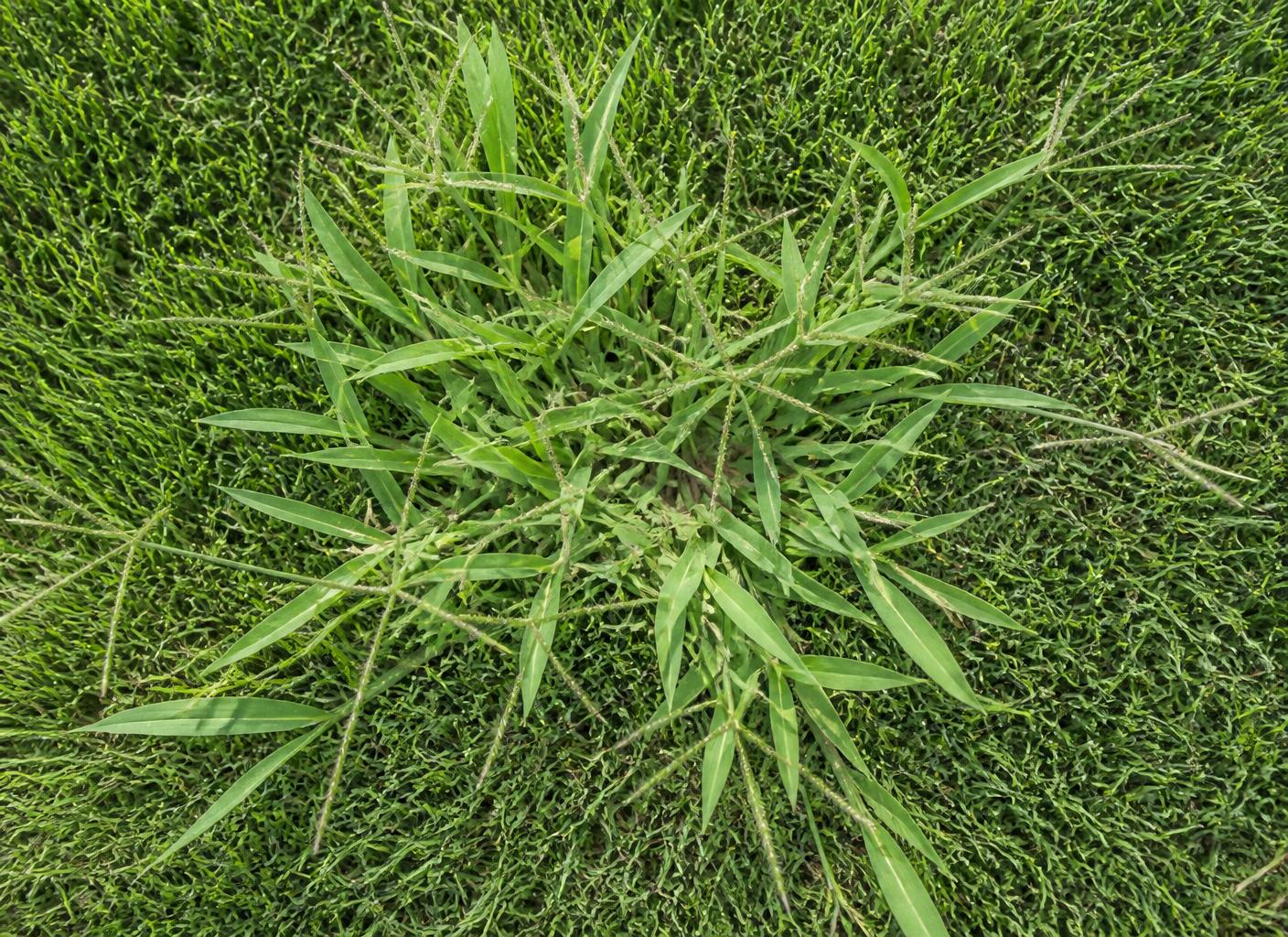
Crabgrass is a warm-season annual grassy weed that germinates from seed each year, spreads outward in a low, coarse clump and dies with the first hard frost. It establishes most readily in thin, open or disturbed turf, which is why prevention and turf density go hand in hand.
Identification
How to Tell Crabgrass From Your Lawn Grass
Crabgrass usually looks coarser and lighter green than surrounding Kentucky bluegrass, ryegrass or fescue. Rather than growing upright in a tuft, it spreads outward from a central point with stems radiating low along the ground — the growth habit that gives it the crab-like appearance.
It shows up most often along driveways, sidewalks and street edges where soil warms earliest, and in thin areas where sunlight reaches bare ground. Several other grassy weeds can resemble crabgrass, so identification matters before choosing a treatment approach.
Why It Spreads
Conditions That Favor Crabgrass in Lancaster County
Crabgrass is opportunistic. It takes advantage of openings created by other lawn problems.
Thin or Open Turf
Bare soil receives more light and warms faster, creating favorable germination conditions. Dense turf shades the surface and limits those openings.
Thin & Patchy GrassHot, Sunny Edges
Strips along driveways, curbs and sidewalks absorb and hold heat, which can make them the first places crabgrass appears each season.
Mowing Too Short
Low mowing heights expose more soil to sunlight and reduce turf competitiveness during the summer months.
Seed Already in the Soil
A single plant can produce a large amount of seed. Previous seasons of crabgrass raise the pressure in following years.
Compacted Soil
Compaction weakens desirable turf while crabgrass often tolerates the same conditions, shifting the competitive balance.
Compacted Soil GuideDisturbed or Damaged Areas
Repairs, pet damage, plow scrapes and heavy wear open ground during the germination window and invite establishment.
Look Closer Before You Treat
Is It Really Crabgrass?
Other grassy weeds are frequently mistaken for crabgrass. A few checks help.
- Check 01
Does the plant spread flat from one center?
Crabgrass radiates outward low to the ground. Upright clumping growth in a distinct tuft often points to tall fescue clumps instead.
- Check 02
Is the color and texture different from the lawn?
Coarse, lighter green patches that appear during summer heat are typical of crabgrass in cool-season lawns.
- Check 03
Did it appear after the weather warmed?
Crabgrass is a warm-season annual, so it becomes noticeable as summer advances rather than in early spring.
- Check 04
Does it disappear after frost?
Crabgrass dies with hard frost, leaving open areas behind. Perennial grassy weeds persist through winter.
Several lawn problems can produce similar symptoms. These guides are educational and do not replace an on-site lawn evaluation.
What Homeowners Can Do
Practical Crabgrass Management
- Raise your mowing height. Taller turf shades the soil surface and reduces the light reaching germinating seed.
- Prioritize turf density. Overseeding thin areas in late summer to early fall helps close the openings crabgrass uses.
- Time prevention to soil conditions rather than the calendar, since germination follows soil temperature.
- Be careful pairing spring seeding with pre-emergent products — most pre-emergents also affect desirable grass seed.
- Repair damaged edges and bare spots promptly so they do not become entry points.
When Professional Help Makes Sense
Prevention Timing Is the Whole Game
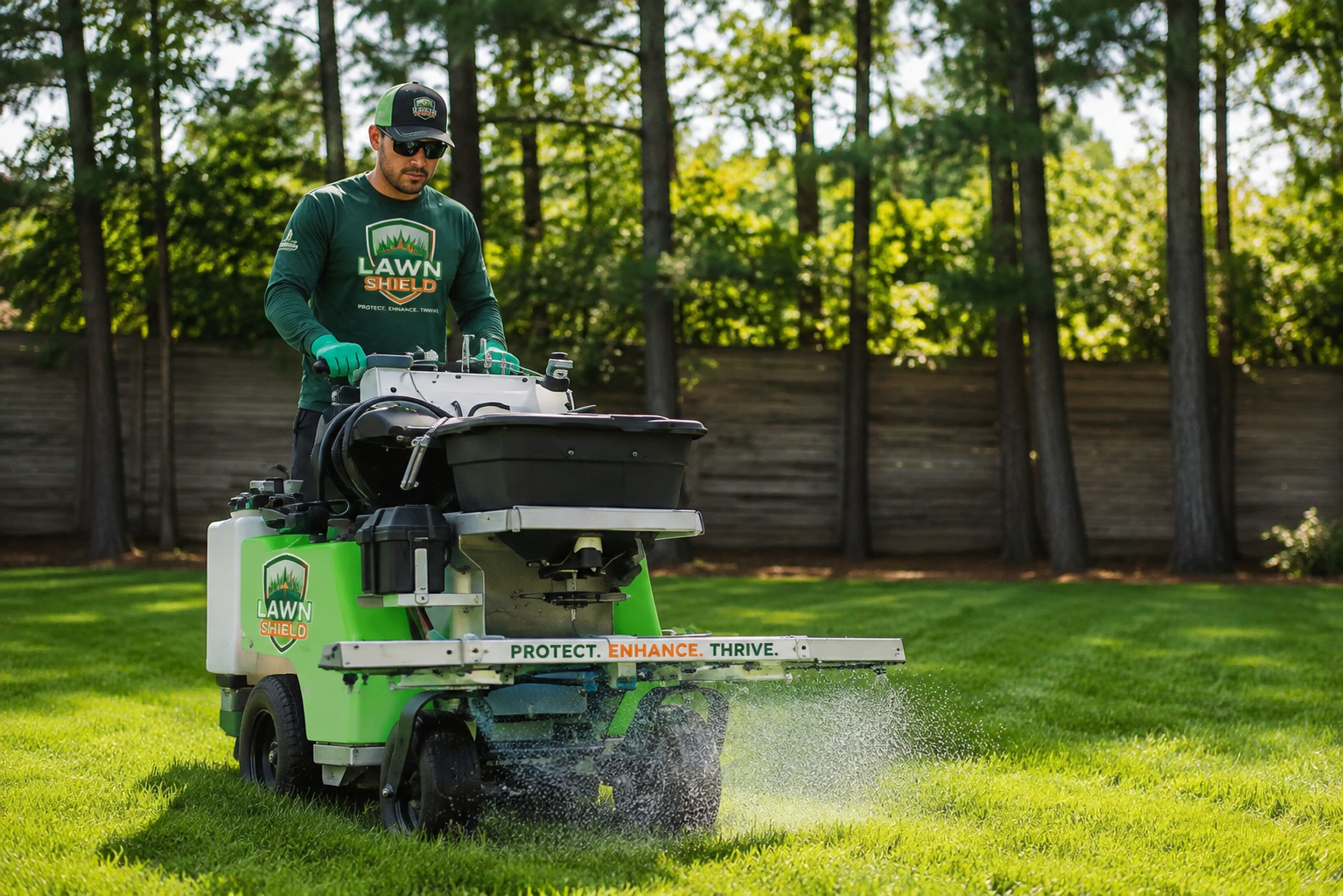
Lawn Shield programs schedule crabgrass prevention around local Lancaster County conditions and pair it with fertilization that supports turf density through the summer.
Explore Crabgrass ControlCrabgrass Questions
Crabgrass FAQs for Lancaster County Lawns
Common questions about identification, timing and control.
Request a Lawn EvaluationIs crabgrass a weed or just bad grass?
Crabgrass is a warm-season annual grassy weed. It completes its life cycle in a single season, produces seed and dies with frost, then returns the following year from seed already in the soil.
Why does crabgrass keep coming back every summer?
Crabgrass plants produce large amounts of seed before they die. That seed can remain in the soil and germinate in later seasons when soil temperatures and light conditions are favorable, which is why thin lawns tend to see it return.
When does crabgrass germinate in Pennsylvania?
Germination is driven by soil temperature rather than the calendar, and it typically begins in spring once soil temperatures warm and remain warm. Because conditions vary year to year, pre-emergent timing is based on local conditions rather than a fixed date.
Does pulling crabgrass work?
Pulling individual plants can remove them, but plants that have already produced seed leave that seed behind. Pulling also opens bare soil, which is exactly where new crabgrass tends to establish.
What is the difference between pre-emergent and post-emergent control?
Pre-emergent products are applied before germination and are intended to interrupt seedling establishment. Post-emergent products target plants that are already growing. Results with either approach depend on timing, conditions and turf density.
Related Lawn Shield Services
Related Lawn Problem Guides
Turf guidance informed by Penn State Extension recommendations for Pennsylvania lawns. Penn State Extension does not endorse Lawn Shield.
Free Lawn Quote
Request Your Free Lancaster County Lawn Quote
Tell us about your lawn and we'll follow up with a program recommendation and pricing for your property. Programs start at $69 per application, based on a lawn up to 5,000 sq. ft.
- Free, no-obligation lawn quote
- Local Lancaster County lawn care team
- Program recommendation based on your lawn
Beat It Before It Starts
Get Ahead of Crabgrass This Season
Request a free quote and we'll build a prevention and fertilization schedule matched to your lawn and Lancaster County conditions.
Serving Lancaster County, Pennsylvania