
Aeration & Overseeding
When Is the Best Time to Overseed a Lawn in Pennsylvania?
Quick Answer
Late summer into early fall is commonly a favorable overseeding period for many cool-season lawns in Pennsylvania because soil temperatures remain warm while air temperatures begin to moderate. Exact timing depends on weather, seed type and lawn conditions.
Timing Logic
Why Late Summer Into Early Fall Is Favorable
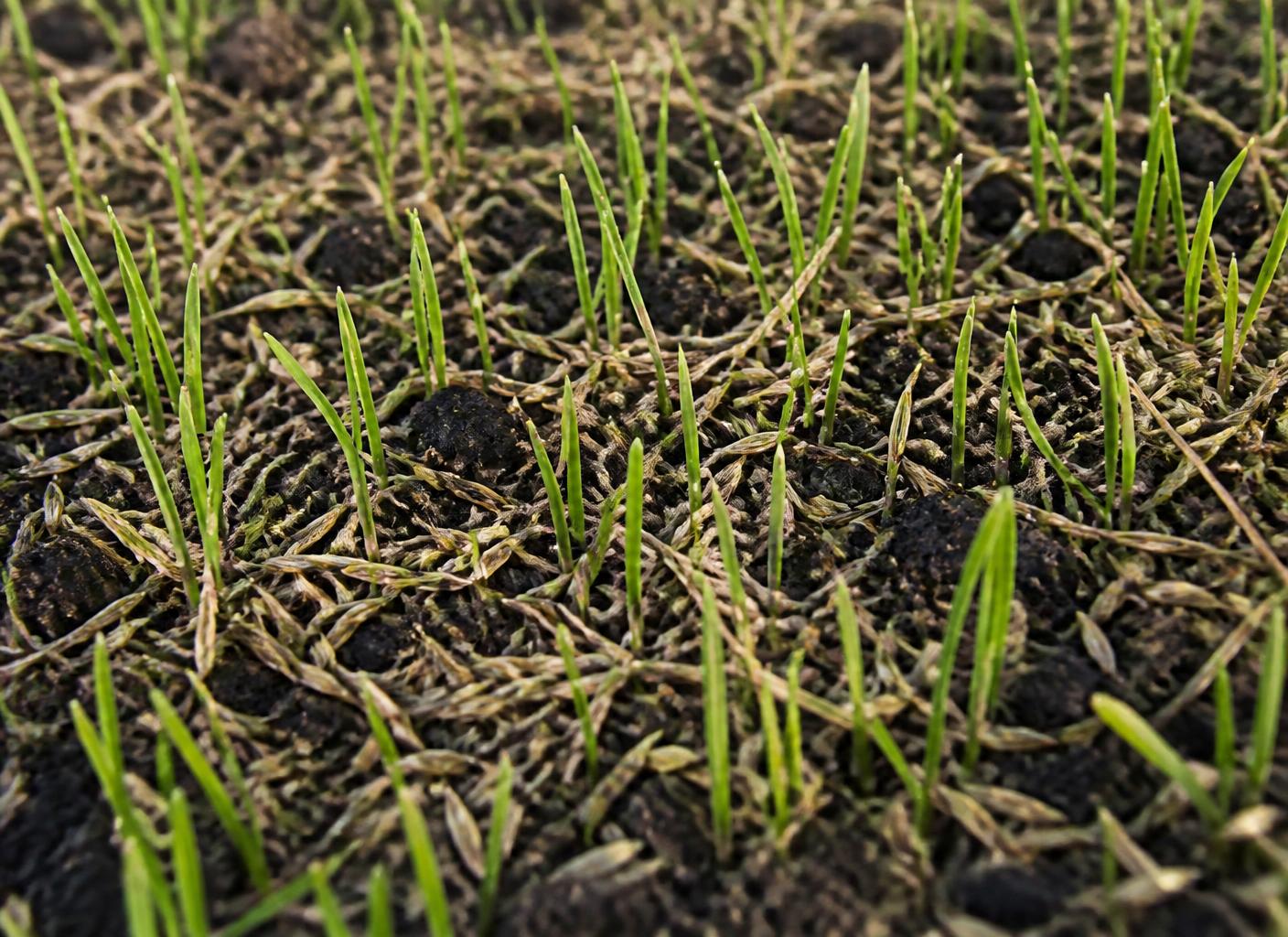
Grass seed needs warm soil to germinate and moderate air temperatures to survive the weeks that follow. Late summer into early fall in Pennsylvania often supplies both at once: the soil still holds summer warmth while daytime highs ease off and dew periods lengthen.
Just as importantly, annual weed pressure is generally lower than in spring. Crabgrass and similar summer annuals are finishing their cycle rather than competing with new seedlings for light and space.
The Alternative
Can You Overseed in Spring?
Spring seeding is workable, especially when winter damage leaves large bare areas that cannot wait. The trade-offs are competition from germinating annual weeds, a shorter establishment window before summer heat, and conflict with pre-emergent crabgrass programs.
Where spring seeding is necessary, planning around those constraints matters more than the seeding itself.
Preparation
Should You Aerate First?
Seed needs contact with soil, not thatch or leaf canopy. Core aeration creates that contact across the whole lawn and simultaneously addresses compaction, which is often part of why the lawn thinned in the first place.
See the aeration timing guide for how the two practices are sequenced, or the aeration and overseeding service for how Lawn Shield handles it.
Expectations
How Long Does Grass Seed Take to Germinate?
Germination speed varies by species, and mixes contain more than one. Perennial ryegrass generally emerges first, fescues follow, and Kentucky bluegrass is typically the slowest of the common cool-season species — which is why a seeded area often looks uneven before it looks finished.
Soil temperature, consistent moisture and seed-to-soil contact all shift the timeline. A cool, dry stretch after seeding stretches it out considerably.
Establishment
How Should You Water After Overseeding?
The goal during germination is a seedbed that stays consistently moist without being saturated. In practice that usually means lighter, more frequent watering early on, since the surface layer is where the seed is.
As seedlings root, the pattern shifts toward deeper and less frequent watering, which encourages roots to follow moisture downward. Weather does a lot of this work in fall; supplemental watering fills the gaps.
Aftercare
When Should You Mow New Grass?
Mowing usually resumes once new plants are tall enough that only a small portion of the leaf is removed, following the same one-third principle used on established turf. Sharp blades matter more than usual, because young plants pull out easily when leaves are torn.
Keep traffic light on newly seeded areas for the first several weeks, and avoid sharp turns with mowers on soft ground.
Overseeding Questions
Overseeding FAQs for Pennsylvania Lawns
Timing, germination, watering and what to expect afterward.
Get My Free Lawn QuoteCan you overseed in spring?
You can, and sometimes it is the practical choice after winter damage. Spring seedlings face more competition from germinating annual weeds and less time to establish before summer heat, so results are often less consistent than fall seeding.
Should you aerate before overseeding?
Core aeration before seeding is common because the plugs and openings improve seed-to-soil contact and give seedlings a place to root. It is especially useful where compaction is part of why the lawn thinned.
How long does grass seed take to germinate?
It varies by species and conditions. Perennial ryegrass typically emerges relatively quickly, fescues take longer, and Kentucky bluegrass is usually the slowest of the common cool-season species. Soil temperature and consistent moisture strongly influence the timeline.
How should you water after overseeding?
The general principle is keeping the seedbed consistently moist — which usually means lighter, more frequent watering at first — then transitioning to deeper, less frequent watering as seedlings establish. Site conditions and weather determine the specifics.
When should you mow new grass?
Mowing typically resumes once seedlings are tall enough that only a small portion of the leaf is removed. Sharp blades and avoiding turns on soft ground help protect young plants.
Can you apply crabgrass preventer and seed at the same time?
Most pre-emergent products do not distinguish between weed seed and grass seed, so they generally conflict with seeding. Programs that include both need to sequence them deliberately.
Will overseeding fix a thin lawn permanently?
Not by itself. If compaction, shade, fertility problems or pest pressure caused the thinning, new seedlings face the same limitations. Addressing the underlying cause is what makes seeding stick.
Sources & References
- Penn State Extension — Lawn and Turfgrass resources for Pennsylvania homeowners (extension.psu.edu).
- Penn State Center for Turfgrass Science — general cool-season turfgrass management guidance.
Penn State Extension does not endorse Lawn Shield. References are provided because publicly available university turfgrass guidance informed the general practices described on this page.
Published by Lawn Shield
This guide is intended to provide general lawn-care education for Pennsylvania homeowners. Treatment timing and recommendations may vary based on weather, turf conditions and the property being treated.
Free Lawn Quote
Request Your Free Lancaster County Lawn Quote
Tell us about your lawn and we'll follow up with a program recommendation and pricing for your property. Programs start at $69 per application, based on a lawn up to 5,000 sq. ft.
- Free, no-obligation lawn quote
- Local Lancaster County lawn care team
- Program recommendation based on your lawn
Want Help With Your Lawn?
Thinking About Seeding This Fall?
Lawn care timing and treatment needs vary by property. Lawn Shield can help you determine the right next step for your Lancaster County lawn.
Serving Lancaster County, Pennsylvania